 listicle
Benefits of Buying Local Appliances: 7 Reasons to Shop Local
Table of Contents
- Personalized Customer Service and Expert Product Knowledge
- Supporting the Local Economy and Your Community
- Delivery, Installation, and After-Sale Support
- Affordable Scratch and Dent Appliances: Big Savings, Real Quality
- The Benefits of Refurbished Home Appliances
- Local Appliance Repair Services and Post-Warranty Care
- Competitive Pricing, Financing Options, and Manufacturer Rebates
- Frequently Asked Questions
Last Updated: September 12, 2026
Personalized Customer Service and Expert Product Knowledge
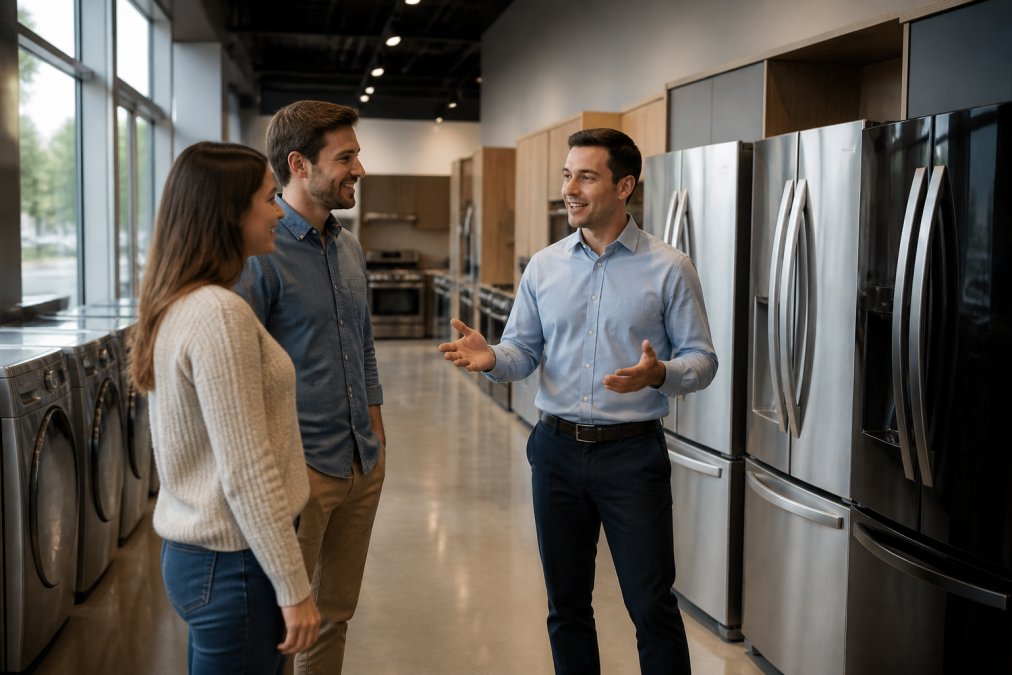
Buying local appliances starts with something a big-box aisle can't replicate: a person who knows the inventory and remembers your kitchen, which is the core advantage of buying local appliances. This guide from The Appliance Wizard covers what you actually gain when you shop local, and where the real savings hide.
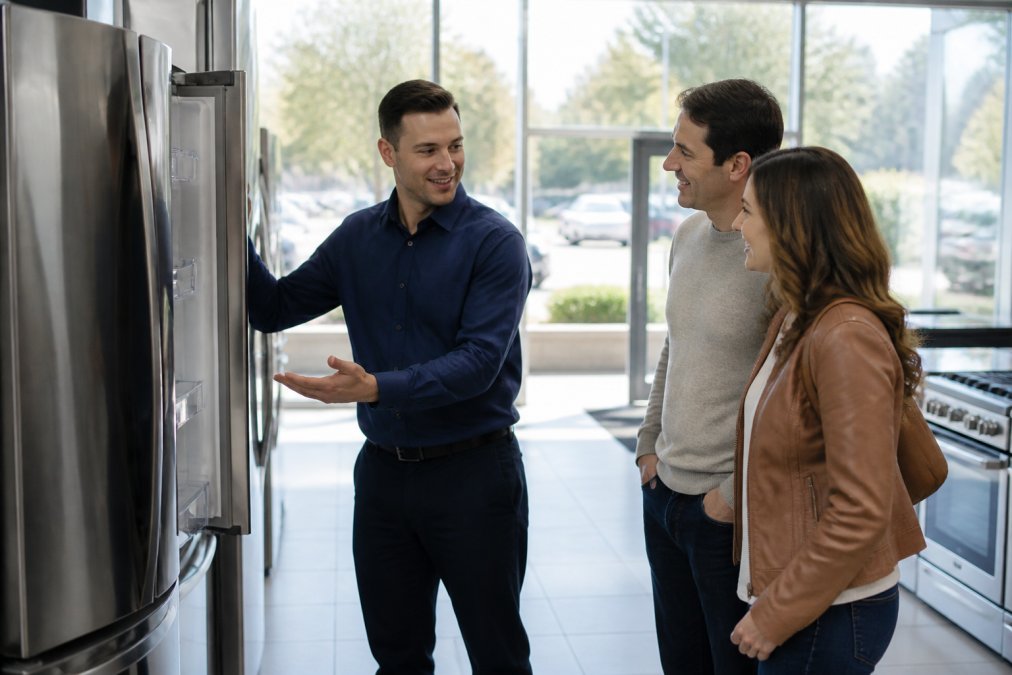
The biggest mistake shoppers make is treating a major appliance purchase like a grab-and-go errand. A refrigerator, range, or washer is a long-term decision, and the wrong one costs you years of mild irritation (energy.gov). Local salespeople ask about your cabinet depth, your family size, and whether you actually need a convection oven before they point you at a model.
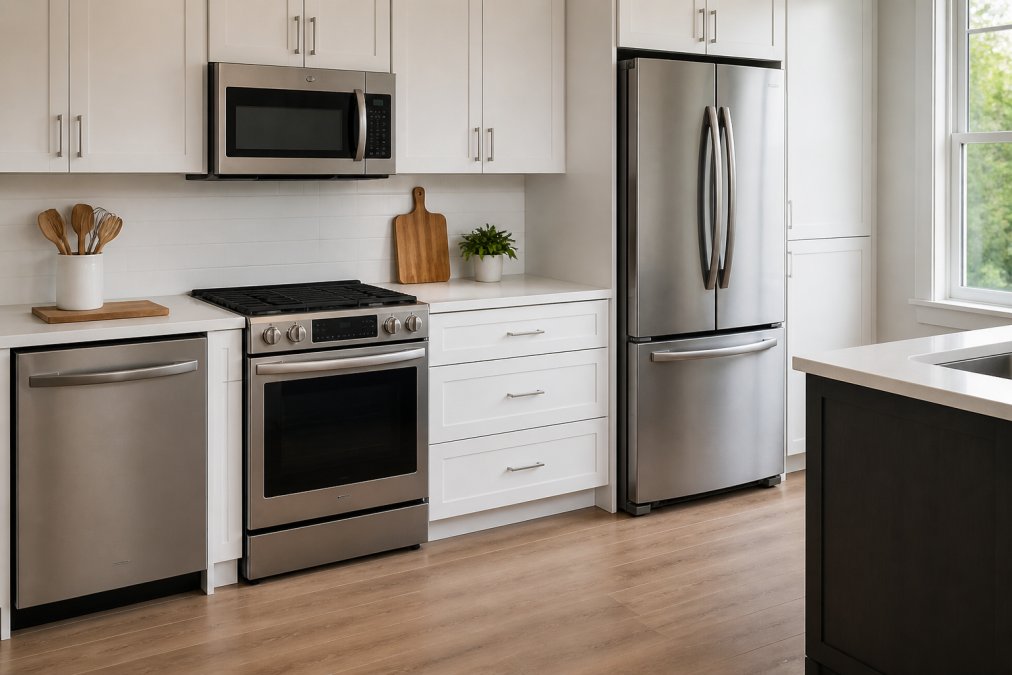
That distinction matters most during a full kitchen remodel, when a single misjudged measurement can stall the whole project. A local showroom lets you compare display models side by side, ask how a specific range handles a large holiday roast, and get a straight answer about what you don't need. For shoppers with accessibility needs, some local retailers offer personal shopper assistance to walk through options at your pace. The U.S. Department of Energy's appliance standards guidance is also a useful reference for understanding efficiency ratings before you commit.
Supporting the Local Economy and Your Community
Money spent with a local appliance dealer circulates differently than money spent at a national chain. Independent retailers tend to bank with community institutions, hire from the same zip codes they serve, and sponsor the same little-league teams and school fundraisers your kids participate in. That's the economic impact most shoppers never see on a receipt.
The local business owner also has a reason to answer the phone in five years. A national chain can rotate staff or close a location without much consequence. A family-owned shop lives or dies on hometown service, so the relationship has real stakes. That's why so many buyers describe local shopping as a trust decision before it's a price decision.
Supply chain transparency: the angle most guides skip
When a national retailer runs short on a popular refrigerator model, the answer you get is usually a generic backorder date pulled from a regional distribution center. A local dealer operates differently. Because they order in smaller batches and often work with regional distributors or manufacturer reps they know by name, they can tell you why a unit is delayed, when the next truck is expected, and which comparable model is actually on the floor today.
That transparency matters most during a kitchen remodel or a rental turnover, when a two-week slip wrecks your schedule. A local salesperson can often:
- Call the distributor while you're standing at the counter and confirm real availability
- Offer a substitute model with similar specs instead of leaving you on a waitlist
- Hold a floor model or a scratch-and-dent unit as a bridge until your order arrives
- Coordinate delivery around your contractor's schedule rather than a national routing window
National chains optimize for warehouse efficiency, not for your Tuesday installation.
The environmental angle
Community involvement as a signal, not a slogan
Sponsorships and local hiring aren't just feel-good details, they're a proxy for how the business is likely to treat you after the sale. A dealer whose name is on the field banner and whose technicians live in the same town has reputational skin in the game. That's a different accountability structure than a call center three time zones away, and it's the reason word-of-mouth still drives most appliance purchases in smaller markets.
Delivery, Installation, and After-Sale Support
The best local retailers handle delivery and installation as one job, not two handoffs. That means the crew that drops off your dishwasher is the same crew that levels it, connects it, and confirms it runs before they leave.
Rhonda Kelley, a customer of The Appliance Wizard, put it simply: "Great communication with delivery. Installation was quick and efficient." That's the standard to expect from a service-oriented local dealer, and it's where national chains often fall short, because the delivery contractor and the installer are rarely the same company.
Before you buy, confirm three things in writing:
- Who removes and hauls away the old unit
- Whether the installation includes hooking up water lines and testing cycles
- What happens if the unit arrives damaged
A local shop can usually answer all three on the spot. A call center often can't.
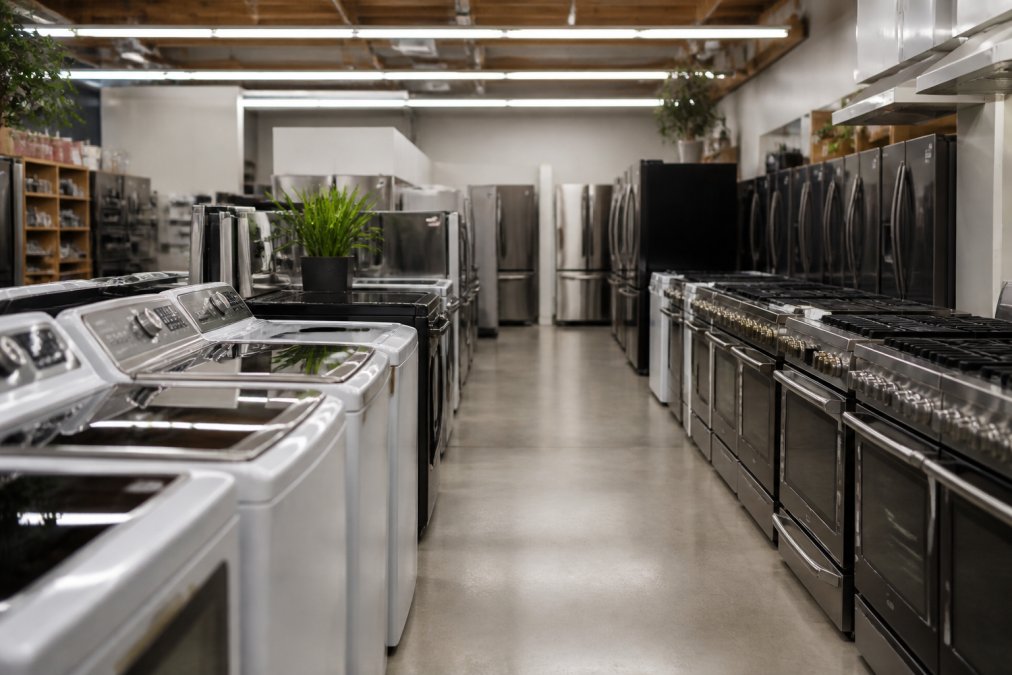
Affordable Scratch and Dent Appliances: Big Savings, Real Quality
Affordable scratch and dent appliances are new units with cosmetic flaws, a dented side panel, a scuffed corner, or a discontinued finish, sold at a discount because the damage is visible rather than functional. The internal components and reliability are generally the same as a flawless unit (consumer.ftc.gov).
That's the part most shoppers get wrong. A dent on the side of a range that sits against a cabinet is invisible in your kitchen, yet it can knock real money off the sticker. For budget-conscious buyers in Marion and Carbondale, scratch-and-dent inventory is often the fastest route to a quality brand without paying full retail.
Here's how the three common appliance categories compare:
| Type | Condition | Typical Savings | Best For |
|---|---|---|---|
| New, flawless | Factory-sealed | None | Buyers who want zero blemishes |
| Scratch and dent | New, cosmetic flaws | Moderate | Hidden surfaces, tight budgets |
| Refurbished | Used, restored, tested | Higher | Rentals, second homes, quick replacements |
Inventory availability changes weekly, so it pays to check current stock before you plan around a specific model.
The Benefits of Refurbished Home Appliances
The benefits of refurbished home appliances come down to value and speed. A refurbished unit has been inspected, repaired where needed, and tested before resale, which makes it a dependable option when you need a working washer quickly.
Landlords and property managers lean on refurbished inventory for exactly this reason. When a tenant's dryer dies, a refurbished replacement gets installed fast and keeps the unit rentable. The trade-off is honest: selection is limited to what's on hand, and cosmetic condition varies from unit to unit.
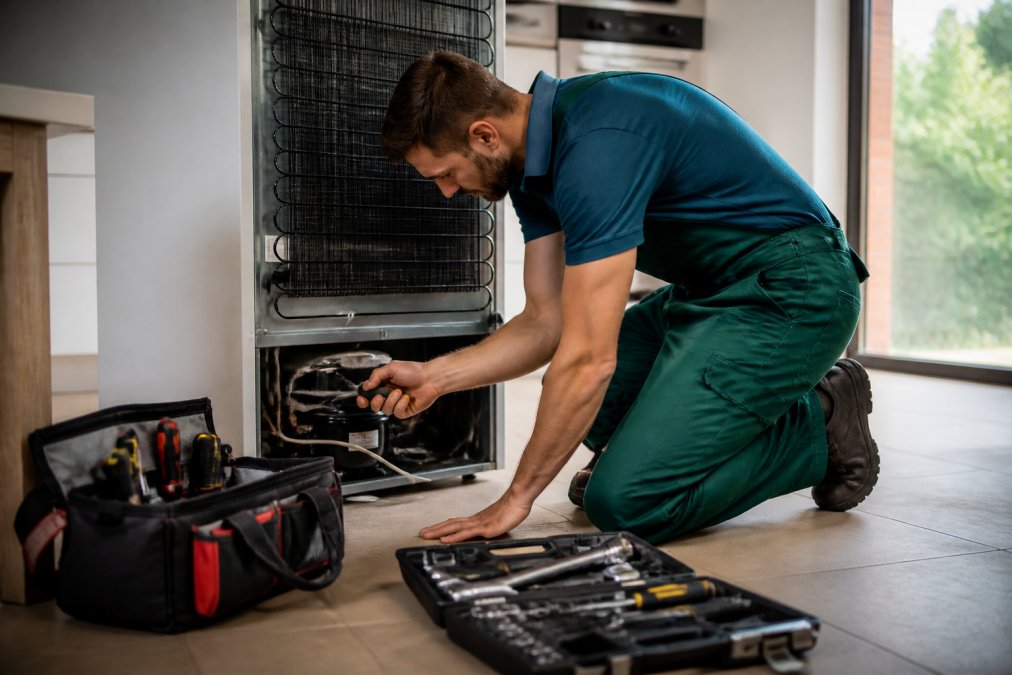
Local Appliance Repair Services and Post-Warranty Care
Local appliance repair services matter most after the manufacturer's warranty expires, which is exactly when national support tends to disappear. A local dealer with in-house technicians can keep your equipment running for years past that date.
Kevin Chapman noted that The Appliance Wizard staff were "very helpful over the phone with troubleshooting problems without just selling me a new product." That's the difference between a repair mindset and a replacement mindset. Factory-trained technicians diagnose the actual fault, quote the fix, and let you decide.
This is where post-warranty relationship management pays off, and it's the angle most buying guides ignore. A dealer who serviced your appliances for a decade knows the history, stocks the genuine replacement parts, and can often repair rather than replace. Ask any local retailer these questions before you buy:
- Do you have in-house technicians or do you subcontract repairs?
- How quickly can you schedule a service call?
- Do you stock genuine replacement parts for the brands you sell?
The answers tell you whether you're buying a box or a relationship.
Competitive Pricing, Financing Options, and Manufacturer Rebates
Local dealers frequently offer competitive pricing once you factor in manufacturer rebates, bundle savings, and price matching. The sticker price is rarely the final price, and a good local salesperson will stack every available discount before quoting you a number.
How manufacturer rebates actually stack
Appliance rebates come from the manufacturer, not the retailer, and they usually fall into three buckets:
- Single-unit rebates, a flat dollar amount off a specific model, often tied to a promotional window
- Bundle rebates, a larger credit when you buy two or more matching pieces (typically a refrigerator, range, and dishwasher, or a washer and dryer pair)
- Delivery or haul-away credits, a smaller rebate that offsets the cost of getting the old unit out and the new one in
These can often be combined, but the rules vary by brand and by promotion period. A local salesperson who sells the same brands week after week usually knows which combinations are allowed and which will get a claim rejected.
Price matching: what it usually covers and what it doesn't
Most local dealers advertise price matching, but the details matter. A typical policy covers an identical model number from a competing authorized retailer within a set radius or timeframe. It usually does not cover:
- Marketplace or third-party sellers with no manufacturer authorization
- Clearance or open-box units at another store
- Prices that require a membership or credit card you don't have
Ask before you buy: Which competitors do you match, for how long after purchase, and does the match include delivery and installation? A match that excludes delivery can quietly cost more than the original quote.
Financing options and payment plans
A full kitchen package can run into serious money, and flexible payment plans let you spread that cost instead of draining savings. Financing at appliance retailers generally comes in two flavors:
- Promotional financing, deferred interest or a 0% APR window (commonly 6, 12, 18, or 24 months) tied to a store card or a manufacturer-backed program
- Standard installment financing, a fixed monthly payment with a stated APR, usually through a third-party lender
The trap with promotional financing is the deferred-interest clause: if you don't pay the balance in full before the window closes, interest can be applied retroactively from the purchase date. Ask directly what the terms are, whether there are origination or late fees, and what the payoff timeline looks like. Transparent service means no hidden loopholes, and a reputable local dealer will put the terms in writing.
Bundle savings and the total-cost picture
Buying a matched kitchen package, refrigerator, range, and dishwasher together, often unlocks rebates that individual purchases don't. If you're also furnishing a laundry room, pairing a washer and dryer in the same transaction can add to the savings. The key is to ask for the bundle price and the à la carte price side by side, so you can see whether the package is actually saving you money or just bundling convenience.
Frequently Asked Questions
Is it better to buy appliances from a local store or a big box retailer?
Local stores often win on service and support. You get personalized advice from staff who know the products, plus delivery, installation, and in-house repair. Big-box retailers may have lower upfront prices, but you might sacrifice help after the sale. For long-term value, many homeowners find local stores more reliable.
Do local appliance stores offer better customer service?
Yes, in many cases. Local stores like The Appliance Wizard provide personalized care, from helping you choose the right model to scheduling installation and repairs. Staff are often factory-trained and can troubleshoot over the phone. Big-box stores may have less specialized help and longer wait times for service.
Are local appliance stores more expensive than big box stores?
Not necessarily. Local stores often price-match and offer manufacturer rebates, financing, and bundle deals. When you factor in free delivery, installation, and ongoing support, the total cost can be lower. Plus, scratch-and-dent and refurbished options provide significant savings without sacrificing quality.
How does buying local appliances support the community economy?
Money spent at local businesses stays in the community, funding jobs, local services, and community development. Local stores also hire local technicians and support events. Choosing local keeps more dollars circulating nearby, which benefits everyone.