 listicle
Benefits of Local Appliance Repair: 2026 Guide
Table of Contents
- Why Local Appliance Repair Beats Big-Box Service Calls
- When to Repair vs Replace Appliances: A Practical Decision Framework
- The Average Cost of Appliance Repair and How It Compares to Replacement
- Appliance Repair Service Warranty: What to Check Before You Book
- Extending Appliance Lifespan with Preventative Maintenance
- Energy Efficiency, Waste Reduction, and the Environmental Case for Repair
- Frequently Asked Questions
Last Updated: September 11, 2026
Why Local Appliance Repair Beats Big-Box Service Calls
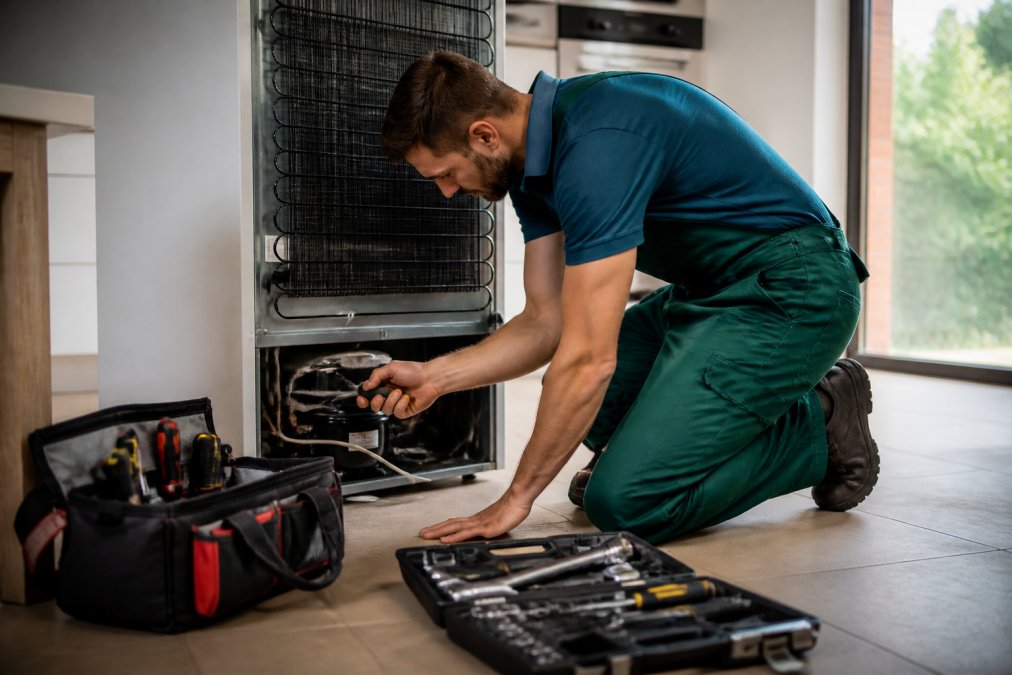
The benefits of local appliance repair start with this reality: a factory-trained technician who knows your machine beats a call-center dispatcher every time. When your refrigerator quits on a Friday night, you want someone who can diagnose and fix it, not a scripted apology and a two-week wait.
This guide from The Appliance Wizard covers why local service wins on turnaround time, expertise, and accountability, plus how to decide between repair and replacement and which maintenance habits prevent the next breakdown.
Local repair shops survive on repeat customers and word of mouth. A big-box service arm can afford to lose you; a neighborhood technician cannot, so diagnostics are more thorough and follow-up more reliable.
When to Repair vs Replace Appliances: A Practical Decision Framework
The general rule: repair when the fix costs less than half the price of a comparable new unit and the appliance is under eight years old. Replace when it is older, when the repair approaches replacement cost, or when a second major failure follows the first within a year. What separates a smart repair call from a wasted one is knowing the appliance's expected service life, the failure mode, and whether the fix addresses the root cause or just the symptom.
Expected Service Life by Appliance Type
Use these typical service-life ranges as your baseline. If your unit is past the upper end of its range and the repair is major, replacement usually wins.
| Appliance | Typical Service Life | Repair Usually Worth It Until |
|---|---|---|
| Refrigerator | 10-15 years | ~10 years for sealed-system work |
| Dishwasher | 8-12 years | ~8 years for control board or pump |
| Washing machine (top-load) | 10-14 years | ~10 years for transmission or bearing |
| Washing machine (front-load) | 8-12 years | ~8 years for drum bearing or seal |
| Dryer | 10-15 years | ~12 years for motor or heating element |
| Oven / range | 12-18 years | ~15 years for control board |
| Microwave | 7-10 years | ~7 years for magnetron |
The 50% Rule and Other Diagnostic Red Flags
The 50% rule is a budgeting shortcut: if a repair quote exceeds half the cost of a new appliance of similar quality, replacement usually makes more financial sense. It is not absolute, a high-end range justifies a higher threshold than a basic dishwasher.
Watch for these red flags that push the decision toward replacement:
- The compressor, sealed system, or control board has failed on an appliance over ten years old
- You have paid for two or more repairs in the past eighteen months
- Parts for your model are discontinued or backordered indefinitely
- The unit runs constantly but no longer cools, heats, or drains properly
- Energy consumption has crept up noticeably on your utility bill
Error Codes and Symptoms That Signal "Replace," Not "Repair"
Modern appliances store fault codes that tell a technician far more than the symptom you see. Some point to a cheap sensor; others to a sealed-system failure costing more than the machine is worth. Ask the technician to read and explain the codes before authorizing work.
Common patterns that usually favor replacement:
- Refrigerator: repeated sealed-system or compressor faults, or a code indicating a refrigerant leak that cannot be located without major disassembly
- Washer: an unbalanced-load or door-lock code that returns after a control board replacement, suggesting a deeper mechanical fault
- Dryer: a thermal fuse that blows twice in a year, which usually means a blocked vent or failing heating element, not a one-off
- Dishwasher: a drain or fill error that persists after the pump and float switch are replaced
- Oven: a control board that fails after a self-clean cycle, especially on units over 12 years old
The Repair-vs-Replace Decision Table
| Situation | Recommended Action | Why |
|---|---|---|
| Repair under half of replacement cost, unit under 8 years | Repair | Best value, extends appliance lifespan |
| Repair over half of replacement cost, unit over 10 years | Replace | Diminishing returns, likely repeat failures |
| Two failures within 12 months | Replace | Pattern suggests end of service life |
| Discontinued parts, otherwise sound unit | Repair if possible | Preserves a working appliance, avoids waste |
| Cosmetic damage only, unit functions well | Repair | Cheapest path, no performance loss |
| Recurring error code after a major part swap | Replace | Root cause is deeper than the replaced part |
Post-Repair Maintenance: Protecting the Fix
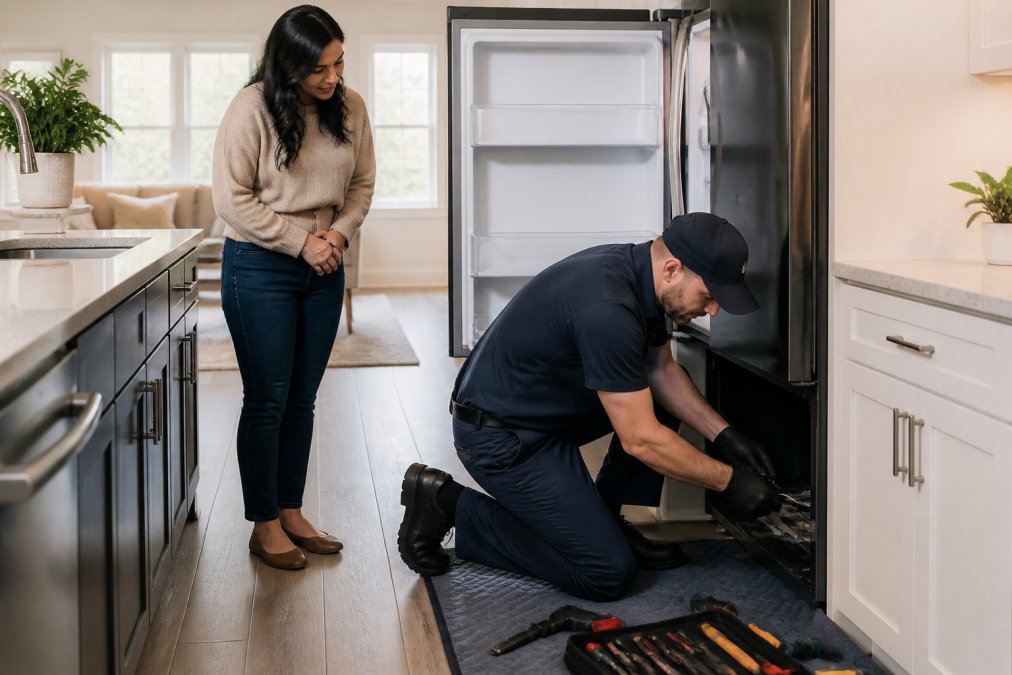
A repair is not the finish line, the same conditions that caused the failure will cause the next one unless you change them. After a repair, ask the technician what failed and what habit contributed, then act:
- After a refrigerator sealed-system repair, clean the condenser coils and confirm the unit has at least two inches of clearance behind and beside it
- After a washer pump or drain repair, stop overloading and run a cleaning cycle monthly to prevent lint and detergent buildup
- After a dryer heating-element or thermal-fuse repair, clear the full vent run, not just the lint trap, and check the exterior vent flap for blockage
- After a dishwasher pump repair, scrape heavy food residue before loading and run a hot cleaning cycle with a dishwasher cleaner monthly
- After an oven control-board repair, avoid repeated self-clean cycles, which stress the board and wiring
Document the repair date, the part replaced, and the technician's recommendation. That record helps you spot a repeat pattern early and gives you leverage if the same failure returns inside the warranty window.
The Average Cost of Appliance Repair and How It Compares to Replacement
The average cost of appliance repair depends on the appliance type, the failed component, and whether a part must be ordered. Because pricing varies by region, model, and availability, the only reliable figure is a written quote for your specific unit, ask before work begins.
What Drives Repair Pricing: Parts, Labor, and Service Call Fees
Three line items make up nearly every repair invoice. Understanding them helps you spot an inflated quote.
- Parts. Genuine manufacturer parts cost more than generic substitutes but fit correctly and preserve your warranty. A comprehensive parts inventory shortens the wait between diagnosis and repair.
- Labor. Skilled diagnostic time is the largest variable. Complex sealed-system work on a refrigerator takes longer than swapping a heating element in a dryer.
- Service call fee. Many shops charge a flat trip fee that may or may not be credited toward the repair. Ask which applies.
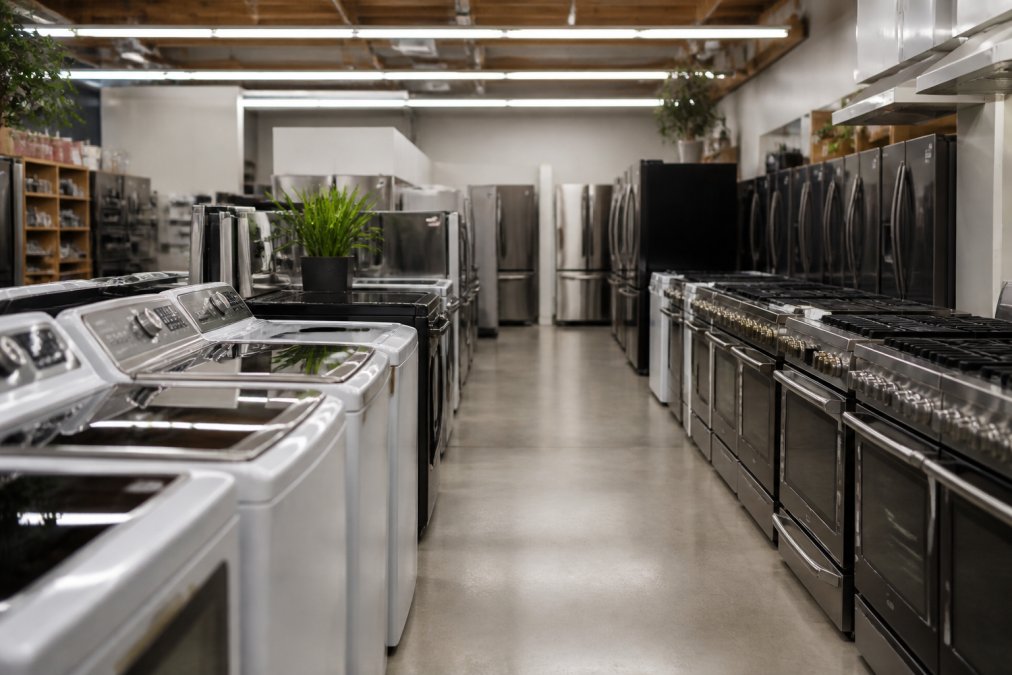
Compare the total quote against a replacement unit of similar capacity and features, not the cheapest model on the floor.
Appliance Repair Service Warranty: What to Check Before You Book
An appliance repair service warranty is the written guarantee covering both the parts installed and the labor performed. Before you book any technician, confirm what is covered, for how long, and what voids the coverage, it determines whether a $400 repair is protected or a $400 gamble.
Two Warranties Are in Play, Not One
When you book a repair, you are dealing with two separate warranties:
- The manufacturer's warranty on the appliance itself, which may still be active if the unit is relatively new or if you bought an extended protection plan.
- The repair service warranty from the company doing the work, which covers the specific parts and labor on this repair.
A professional repair preserves the first and adds the second; a DIY repair or unqualified technician can void the first and leave you with neither.
What a Repair Service Warranty Should Cover
Ask these questions before scheduling:
- Does the warranty cover parts, labor, or both?
- How long is the coverage period, and does it start on the repair date?
- Does a follow-up visit for the same issue carry a new service call fee?
- Are genuine manufacturer parts used, or aftermarket substitutes?
- Is the warranty transferable if you sell the appliance?
A repair backed by a clear warranty protects your household budget. The Appliance Wizard provides factory-trained, certified technicians and warranty support across most major appliance makes and models.
Federal Trade Commission guidance on warranty rights explains how written warranties work and what consumers are entitled to when a covered repair fails.
How DIY Fixes Can Void Your Manufacturer Warranty
Opening an appliance yourself can void the manufacturer warranty even if your repair succeeds. Most warranties exclude damage from unauthorized service, and manufacturers can deny a later claim if the failure traces back to a self-performed repair.
The risk is highest with sealed systems, control boards, and anything requiring refrigerant handling, which falls under EPA regulations on refrigerant handling and requires certified technicians. If your appliance is still under manufacturer warranty, call for service first. A covered repair costs you nothing and protects the remaining coverage.
The Magnuson-Moss Warranty Act: What It Actually Protects
The federal Magnuson-Moss Warranty Act governs written warranties on consumer products, including major appliances. Two points matter most:
- A manufacturer cannot void your entire warranty simply because a third party performed a repair, unless the manufacturer can show the third-party work caused the failure.
- A manufacturer may require that certain repairs, particularly sealed-system work involving refrigerant, be performed by an authorized or certified technician to keep coverage intact.
In practice, the safe path is a qualified, certified technician using genuine parts with documentation, that combination makes a later warranty claim defensible.
The Financial Exposure of a Voided Warranty
A voided manufacturer warranty is not an abstract risk. If a sealed-system failure on a refrigerator under a five-year warranty is denied because of an unauthorized prior repair, you pay the full cost of a compressor or sealed-system replacement out of pocket, often four figures on a unit that should have been covered. The same applies to a range control board or front-load washer drum bearing.
How to Verify a Technician Before You Book
- Ask whether the company is factory-trained or manufacturer-authorized for your brand
- Confirm the technician holds any required certification for the work, especially refrigerant handling
- Request the repair service warranty terms in writing before work begins
- Keep the invoice, part numbers, and repair date, these are your proof if a manufacturer claim is ever questioned
Extending Appliance Lifespan with Preventative Maintenance
Regular preventative maintenance is the cheapest way to extend appliance lifespan and avoid an emergency replacement. Most failures that lead to a service call build up over months, not overnight.
A practical maintenance routine for kitchen and laundry appliances:
- Clean refrigerator condenser coils every six to twelve months
- Inspect and replace washing machine hoses before they show cracks
- Clear the dryer vent and lint trap after every load
- Run a dishwasher cleaning cycle monthly to prevent buildup
- Check door seals and gaskets for gaps that force the unit to work harder
- Vacuum behind and beneath appliances twice a year
Maintenance also protects the manufacturer warranty, documented care makes it harder to attribute a failure to neglect. For DIYers, keeping genuine replacement parts on hand for common wear items shortens downtime.
Energy Efficiency, Waste Reduction, and the Environmental Case for Repair
Repairing an appliance almost always beats replacing it on environmental impact. Manufacturing a new refrigerator or washer carries a significant carbon footprint, and the old unit often ends up in a landfill. Keeping a functioning appliance in service avoids both costs.
Energy efficiency matters too: a poorly maintained appliance consumes more power than a well-maintained one of the same age, which shows up on your utility bill. Regular maintenance and prompt repair keep consumption near the manufacturer's rating and reduce waste.
In plain terms: repair supports waste reduction, lowers your home's environmental impact, and keeps more money in your budget. Sustainable living and cost savings point the same direction more often than people assume.
EPA guidance on appliance disposal and recycling outlines why proper handling of retired appliances matters, and why keeping them running longer is the better first option.
The real challenge with appliance problems is deciding fast, before a small fault becomes a full replacement. The Appliance Wizard is built for that moment: a family-owned team with factory-trained, certified technicians, an in-house repair and service department, a comprehensive inventory of genuine replacement parts, and transparent service with no hidden loopholes. We also offer price match, refurbished appliances, and flexible financing when replacement is the right call. Get started with The Appliance Wizard.
Frequently Asked Questions
Is it worth getting appliances repaired instead of replacing them?
It depends on the appliance's age, the repair cost, and how much life it has left. A common guideline is the 50% rule: if the repair costs more than half the price of a new unit, replacement usually makes more sense. For a refrigerator or washer under eight years old with a single failed component, repair often wins. Local appliance repair shops can give you a straight answer on whether fixing it is the smarter financial move.
What is the 50% rule for appliance repair?
The 50% rule says you should replace an appliance when the repair estimate exceeds half the cost of buying a new one. For example, if a new dishwasher costs $600 and the repair quote is $350, replacement is usually the better call. If the quote is $180, repair makes sense. This rule works best alongside the appliance's age and overall condition, not as a standalone number.
How much do appliance repair technicians charge per hour?
Rates vary by region, appliance type, and whether the technician makes an in-home visit or works on a carry-in basis. Most service calls include a diagnostic fee that may be credited toward the repair if you approve the work. The average cost of appliance repair depends on parts, labor, and the complexity of the job, so ask for a written estimate before authorizing anything. Local shops often quote more transparently than national chains.
Are appliance repair plans worth the investment?
Repair plans can be worthwhile for older appliances or households with several units that tend to break down. The key is reading the fine print: what's covered, what's excluded, and whether the plan uses OEM spare parts. A solid appliance repair service warranty should cover both the part and the labor for a reasonable period after the fix. Compare the annual plan cost against what you'd likely spend on one or two service calls.