 listicle
Best Smart Kitchen Technology 2026: What's Worth It
Table of Contents
- How We Evaluated the 2026 Smart Kitchen Lineup
- Smart Refrigeration: Beyond the Connected Screen
- AI-Powered Cooking: Precision Ovens and Ranges
- Automated Food Prep and Beverage Systems
- The Real Benefits of Smart Kitchen Technology
- Smart Kitchen Appliance Installation: What to Expect
- Budget-Friendly Smart Upgrades and Ecosystem Lock-In
- Final Verdict: Planning Your 2026 Kitchen
- Frequently Asked Questions
Last Updated: September 5, 2026
The 2026 smart kitchen lineup is no longer about gimmicks. After evaluating dozens of connected appliances at recent industry showcases, the pattern is clear: the best smart kitchen technology 2026 focuses on genuine automation, energy savings, and precision that changes how you cook. For homeowners planning a remodel, the challenge is separating lasting value from features you will abandon after a month. This guide from The Appliance Wizard breaks down what is worth your budget, what to skip, and how to plan an installation that actually works.
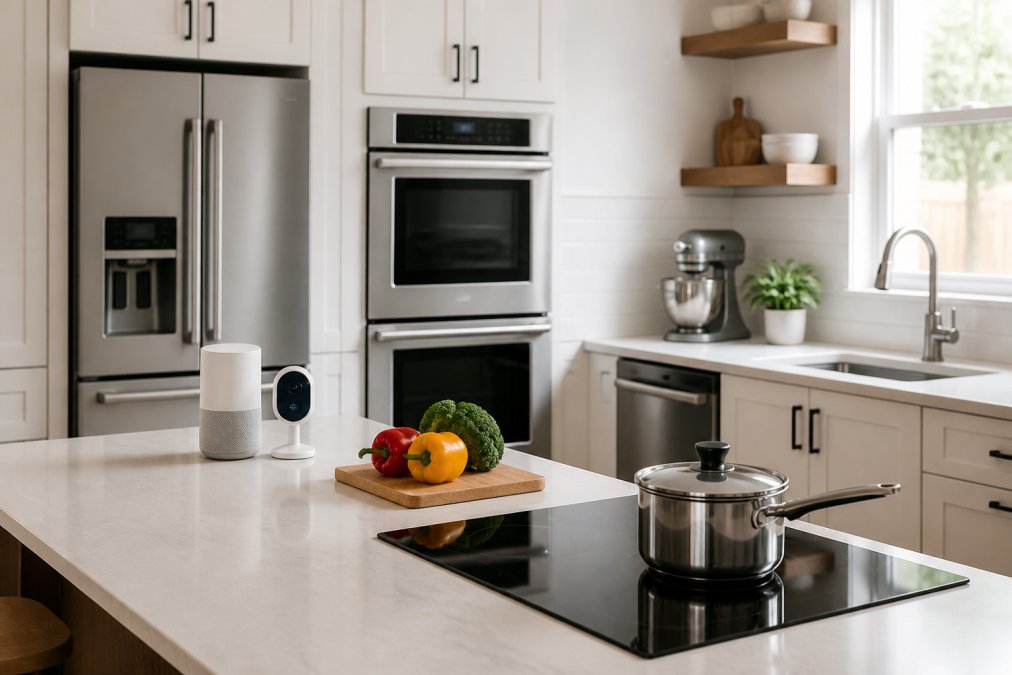
Smart kitchen technology integrates internet-connected appliances with sensors, automation, and app control to improve cooking precision, energy efficiency, and daily convenience. The real question is not whether to go smart, but which technologies deliver measurable returns.
How We Evaluated the 2026 Smart Kitchen Lineup
We assessed each category against four criteria: real-world usability, energy performance, installation complexity, and long-term maintenance. We also weighed interoperability, since a kitchen full of disconnected apps undermines the whole point of automation.
Our evaluation included hands-on review of current models, consultation with certified installation technicians, and analysis of consumer feedback.
Energy Star's 2026 certified appliance criteria provides a useful baseline for comparing efficiency claims across brands. We prioritized models that meet or exceed these standards, since energy performance directly impacts long-term operating costs. For a full kitchen remodel, the evaluation should also include the smart kitchen appliance installation process, which varies significantly by appliance type and existing infrastructure.
Smart Refrigeration: Beyond the Connected Screen
The connected screen on a refrigerator door gets the attention, but the real value in 2026 smart refrigeration lies in internal cameras, automated inventory tracking, and adaptive cooling. A refrigerator that alerts you when the door is ajar or when the filter needs replacing provides practical value without requiring you to interact with another app daily.
Precision temperature control is where smart refrigeration earns its keep. Models with compartment-specific sensors maintain optimal humidity and temperature, extending freshness noticeably. Some units track items as you place them inside, though accuracy varies by brand and loading habits.
When planning installation, smart refrigerators require dedicated circuits and, for models with ice makers and water dispensers, a proper water line. Many homeowners underestimate the need for clearance space for ventilation and door swing. ENERGY STAR's guidance on refrigerator efficiency features outlines which connected features actually reduce power consumption versus those that are purely cosmetic.
AI-Powered Cooking: Precision Ovens and Ranges
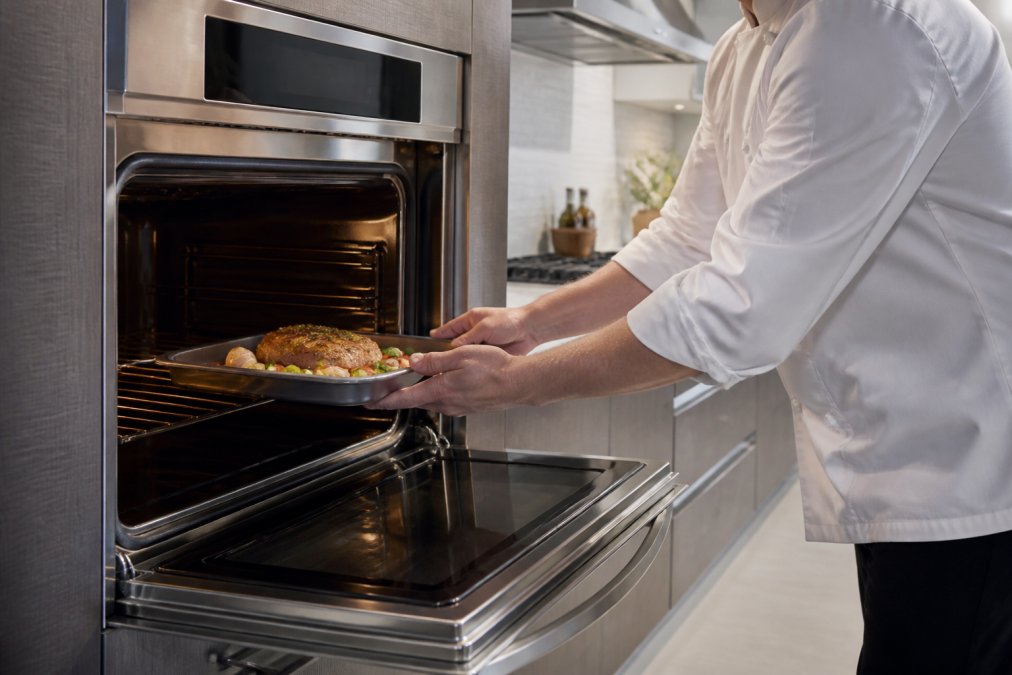
AI-powered cooking assistants have moved from concept to practical reality in the 2026 lineup. The best smart ovens now combine convection, infrared, and steam cooking with sensors that monitor food temperature and adjust cooking curves automatically.
The standout benefit is the ability to replicate results. A probe connected to the oven's AI can identify the protein you are cooking, suggest a target temperature curve, and pause the cycle when the food reaches the desired doneness.
The tradeoff is complexity. Induction cooktops and smart ranges carry a learning curve, and firmware updates can change interface behavior. Many AI-powered ranges need a 240-volt outlet and, for models with downdraft ventilation, specific ducting configurations.
Automated Food Prep and Beverage Systems
Automated food preparation gadgets have expanded well beyond the countertop blender. The 2026 category includes multi-cookers with built-in scales that adjust cook times based on ingredient weight, smart coffee systems that learn your schedule and brew preferences, and beverage stations that carbonate, chill, and flavor water on demand.
Connected coffee and beverage makers are the most accessible entry point into the smart kitchen. A machine that starts brewing when your alarm goes off delivers daily convenience. For households with multiple coffee drinkers, customizable presets for each person's preferred strength and temperature add real value.
The competitive landscape for these gadgets is crowded, and quality varies widely. Focus on units with proven reliability records and available replacement parts. A smart coffee maker with a proprietary water filter that is discontinued after two years becomes an expensive paperweight. This is where buying from a provider with genuine replacement parts inventory, like The Appliance Wizard, protects your investment.
The Real Benefits of Smart Kitchen Technology
The most cited benefits, energy savings and food waste reduction, are real, but the mechanisms are more specific than most roundups suggest. Smart dishwashers and water heaters can run only during off-peak utility hours, a practice known as load shifting. If your utility offers time-of-use rates, this can reduce your monthly bill, but the savings depend on your rate plan.
The less obvious, often more valuable benefit is data-driven diagnostics. A smart oven that tracks its heating element resistance can alert you to a failing part before it shorts out. A refrigerator that monitors compressor run time can flag a failing start relay. This predictive maintenance is why most practitioners recommend brands with a proven track record of firmware updates and a service network that can source replacement parts five years down the road.
However, the connected kitchen introduces a tradeoff most 'best of' lists ignore: data privacy and home network security. Every smart appliance that connects to your Wi-Fi is a node on your home network. Before you install a suite of connected appliances, understand how that data is handled.
Most major manufacturers collect usage data to improve algorithms and, in some cases, to serve targeted ads. You can opt out of data sharing for advertising, but you may lose access to 'smart' features that rely on cloud processing. Reading the privacy policy before you buy is essential.
Network security is the other half of the equation. A smart appliance is only as secure as your home network. If your router uses a weak password or has not been updated in years, a compromised smart coffee maker can become a gateway to your other devices. Practitioners recommend the following baseline:
- Segment your network: Set up a separate guest network or a VLAN for your smart appliances. This isolates them from your computers and phones, so a compromised toaster cannot reach your financial files.
- Update firmware promptly: Manufacturers release patches for known vulnerabilities. Enable automatic updates where available, and check the manufacturer's support page quarterly for critical patches.
- Disable unnecessary features: If you never use the remote camera on your refrigerator, turn it off. Every active feature is a potential attack surface.
- Use a strong, unique password for each appliance account: Do not reuse your main email password for your oven's app.
Smart Kitchen Appliance Installation: What to Expect
Smart kitchen appliance installation involves more than sliding a unit into place. Connected appliances require stable Wi-Fi coverage, proper electrical circuits, and in some cases, dedicated water and gas lines.
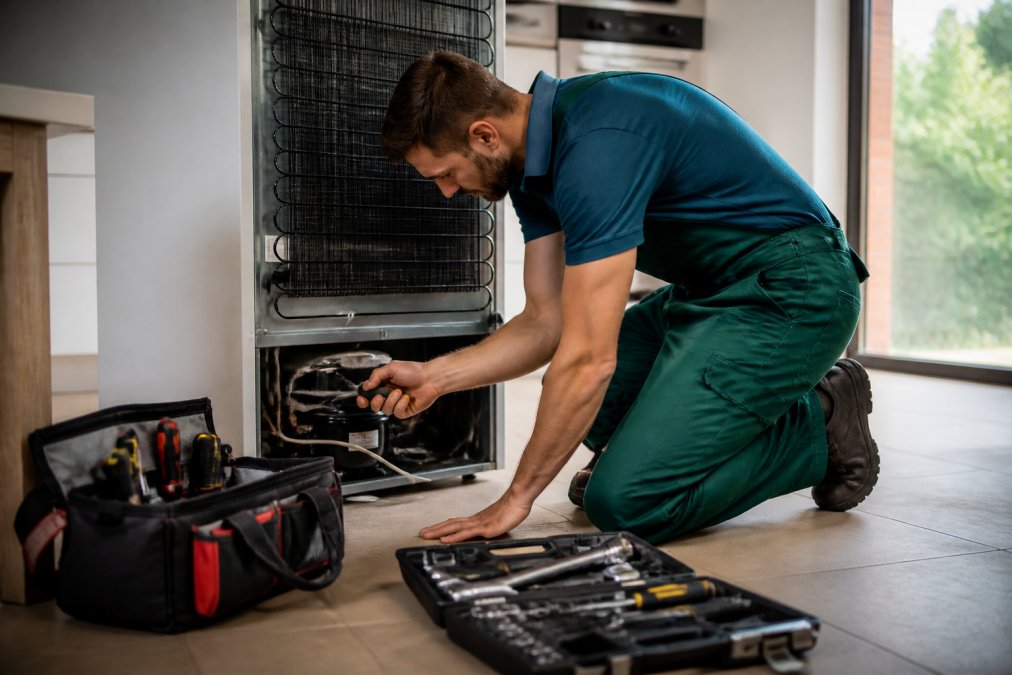
The installation timeline varies by appliance. A standard refrigerator swap takes under two hours, while a full suite during a remodel may span several days. The Appliance Wizard's certified technicians handle the full scope, from delivery and placement to network configuration and demonstration of connected features.
A common issue is homeowners who purchase smart appliances without verifying their home's Wi-Fi reaches the kitchen. Dead zones cause intermittent connectivity, disabling remote monitoring and firmware updates.
Budget-Friendly Smart Upgrades and Ecosystem Lock-In
You do not need a full suite of flagship appliances to benefit from smart kitchen technology. A $25 smart plug on a conventional coffee maker, a $40 Wi-Fi-enabled slow cooker, or a $60 smart water leak sensor under the sink can deliver automation for a fraction of the cost of a new appliance.
The critical consideration is ecosystem lock-in. Each major manufacturer pushes its own app and platform, and appliances from different brands often do not communicate with each other. The Matter standard is improving cross-brand compatibility, but adoption remains uneven across product categories.
However, the reality is more nuanced. Many major appliance manufacturers still rely on proprietary protocols and cloud services. A smart refrigerator may support Matter for basic on/off functions, but advanced features like inventory tracking will still require the manufacturer's app and cloud account. If a feature requires the manufacturer's cloud, it will stop working if the manufacturer discontinues the service.
This leads to the second major gap in most smart kitchen coverage: long-term maintenance and repairability. A smart appliance is a computer with a motor that will become obsolete or fail long before the motor wears out.
The 'right to repair' movement has pushed several states to pass laws requiring manufacturers to provide service manuals, diagnostic tools, and replacement parts. As of 2026, the laws vary by state, and not all appliance categories are covered.
A common pattern is that a smart appliance's touchscreen fails after five to seven years. The replacement part can cost several hundred dollars, and labor may exceed the appliance's value. In contrast, a traditional appliance with a mechanical dial can often be repaired for under $100.
To protect your investment, consider the following before you buy:
- Check the support window: Ask the manufacturer how long they commit to providing firmware updates and security patches for the model you are considering. A commitment of five years is a good baseline; anything less is a red flag.
- Verify parts availability: Before you purchase, search for the model's control board, touchscreen, and sensors on parts websites. If you cannot find replacement parts today, the situation will only get worse in three years.
- Prefer modular designs: Some manufacturers design their smart appliances so that the 'smart' module (the Wi-Fi radio and control board) is a separate, replaceable component. This is a significant advantage over a design where the computer is soldered to the main board.
- Consider the cost of a 'dumb' fallback: If the smart features fail, can you still use the appliance manually? A smart oven that cannot be turned on without its touchscreen is a liability. A smart oven with physical knobs for backup is a safer purchase.
The budget-friendly path to a smart kitchen is not about buying cheap gadgets. It is about buying devices that support open standards like Matter, have a clear support and repairability roadmap, and do not hold your data hostage in a proprietary cloud.
Final Verdict: Planning Your 2026 Kitchen
The best smart kitchen technology 2026 delivers measurable improvements in energy efficiency, cooking precision, and daily convenience. Skip the gimmicks, focus on sensor technology and automation that changes outcomes, and plan your ecosystem before you purchase.
Consumer Reports guidance on smart appliance reliability consistently shows that connectivity features add complexity, so prioritize brands with proven firmware support and available service networks. The long-term value of your smart kitchen depends as much on maintenance and repairability as it does on the initial features.
A quick reference for planning your upgrade path:
| Upgrade Level | Recommended Tech | Key Benefit | Installation Complexity |
|---|---|---|---|
| Entry | Smart plugs, Wi-Fi slow cooker | Low-cost automation | Minimal, DIY |
| Mid | Connected coffee maker, smart refrigerator | Daily convenience, food waste reduction | Moderate, professional recommended |
| Full | AI oven, induction range, smart dishwasher | Precision cooking, energy savings | High, requires certified installer |
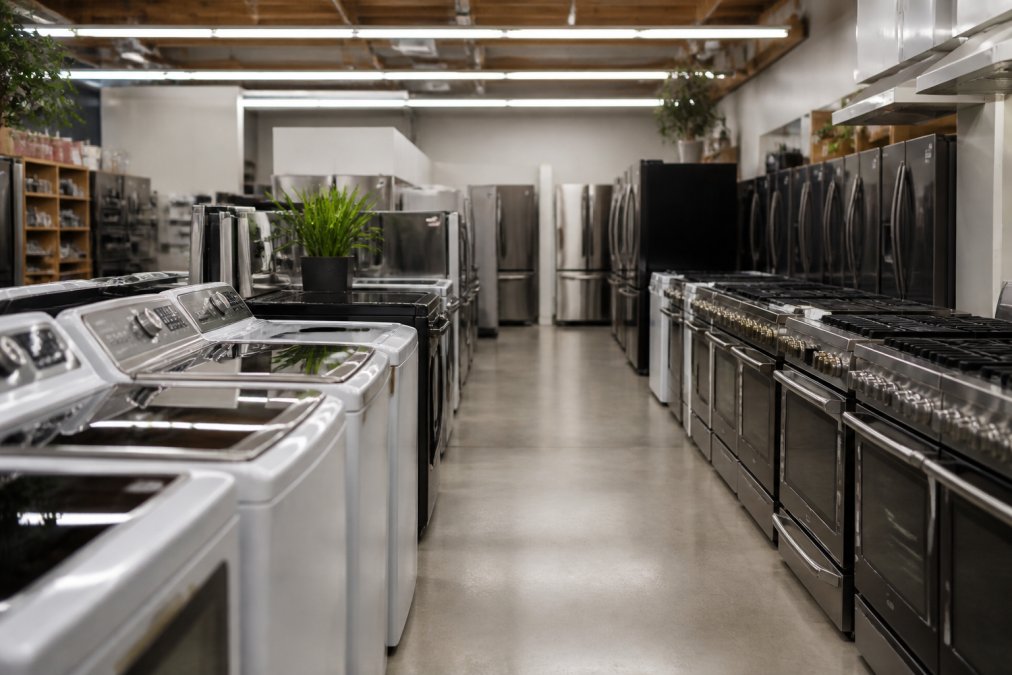
Planning a kitchen remodel or upgrading a single appliance? The Appliance Wizard carries a full lineup of smart refrigerators, ranges, wall ovens, and cooktops from leading manufacturers. Our factory-trained technicians handle professional installation and network setup, and our genuine replacement parts inventory keeps your appliances running for years. Stop by our Marion or Carbondale showrooms to see the 2026 lineup in person, or browse current inventory online. Get started with The Appliance Wizard and build a kitchen that works as hard as you do.
Frequently Asked Questions
Are smart kitchen appliances worth the investment?
Yes, for most homeowners, but it depends on your habits. The benefits of smart kitchen technology include energy savings, remote monitoring, and precision cooking results. A smart oven that shuts off remotely or a fridge that alerts you to an open door can prevent waste and costly repairs. Focus on appliances that solve a problem you actually have, rather than buying tech for its own sake.
What is the best smart device for a kitchen?
For most households, a smart refrigerator or an AI-powered oven delivers the most noticeable daily value. Smart fridges with interior cameras help with automated inventory and grocery lists, while precision cooking ovens with sensor technology improve results for baking and roasting. If you are on a budget, a smart slow cooker or smart coffee maker offers a low-cost introduction to connectivity.
How do I integrate smart technology into my existing kitchen?
Start with plug-in devices like smart displays, Wi-Fi-enabled slow cookers, or smart plugs for existing appliances. For built-in units, consider retrofitting with smart thermostats for your oven or sensors for your fridge. Full integration requires smart kitchen appliance installation by a certified professional to ensure proper wiring, ventilation, and Wi-Fi connectivity, especially for major appliances.
What are the 2026 trends for kitchens?
The main trends are integrated kitchen ecosystems where appliances communicate, and a strong focus on sustainability and energy efficiency. Expect more AI-powered cooking assistants that guide recipes, and connected appliances that support the smart grid to reduce power consumption during peak hours. Food waste reduction technology, like smart inventory tracking, is also a major theme for 2026.