 how-to
Average Lifespan of a Modern Dryer: 2026 Guide
Table of Contents
- What Is the Average Lifespan of a Modern Dryer?
- Electric Dryers vs. Gas Dryers: Do They Last Differently?
- Dryer Lifespan by Technology: Heat-Pump and Ventless Models
- Key Factors That Affect How Long a Dryer Lasts
- Dryer Maintenance Tips to Extend Lifespan
- Signs a Dryer Needs to Be Replaced
- Dryer Repair or Replace: Making the Right Decision
- How to Make a Dryer Last Longer
- Frequently Asked Questions
Last Updated: October 17, 2026
What Is the Average Lifespan of a Modern Dryer?
Understanding how long a dryer lasts helps you plan for replacement and budget wisely. The average lifespan modern dryer typically ranges from 10 to 13 years with proper care, though some units can last 15 years or longer depending on usage and maintenance.
How Modern Dryers Are Defined
A modern dryer refers to a residential dryer manufactured within the last 10-15 years that meets current energy efficiency standards and safety codes. Modern dryers include electric and gas models, as well as newer technologies like heat-pump and ventless dryers that have become more common in recent years.
Modern dryers differ from older units in several key ways. They use more efficient heating elements, better airflow design, and improved safety features like thermal fuses that prevent overheating. Many models now include smart technology, moisture sensors, and multiple drying cycles optimized for different fabric types.
Industry Estimates and What They Mean
When manufacturers and appliance experts discuss dryer life expectancy, they typically base estimates on average use of 3-5 loads per week in a standard household. This assumption matters because actual lifespan varies significantly based on real-world usage patterns.
Most industry sources cite 10 to 13 years as the average lifespan modern dryer can expect. Some higher-end models with premium construction may reach 15 years. These estimates reflect the point at which major components, like the drum belt, thermal fuse, or heating element, commonly fail and replacement becomes more economical than repair.
The reason for this range is straightforward: dryers are mechanical appliances with moving parts that wear down over time. The drum rotates thousands of times per year, the heating element cycles on and off repeatedly, and lint accumulation creates stress on the motor and airflow system.
Electric Dryers vs. Gas Dryers: Do They Last Differently?
Electric dryers and gas dryers have different mechanical demands, which affects their longevity. Electric dryers tend to have a slightly longer life expectancy, often reaching 10-15 years, because they have fewer complex components than gas models.
Gas dryers typically last 10-13 years on average. They work harder because they must manage both fuel ignition and heating cycles. The igniter, burner assembly, and gas valve add complexity that can fail before an electric model's simpler heating element does.
That said, the difference is often small. A well-maintained gas dryer can outlast a neglected electric one. Brand quality, maintenance habits, and usage frequency matter far more than fuel type alone.
Here's the practical distinction: if you're choosing between an electric and gas model primarily for longevity, don't let that be the deciding factor. Focus instead on build quality, brand reputation, and your ability to maintain the unit properly. Both types can deliver 10+ years of reliable service.
Dryer Lifespan by Technology: Heat-Pump and Ventless Models
Heat-pump dryers represent a newer technology designed for energy efficiency and gentler fabric care. Because they operate at lower temperatures and use a different drying mechanism, they may have different wear patterns than traditional dryers.
Heat-pump dryers are still relatively new to the market, so long-term lifespan data is limited. Early indications suggest they should last as long as conventional dryers, around 10-13 years, though some components like the heat-pump compressor may have different failure rates than traditional heating elements.
Ventless condensing dryers also use different technology. They recirculate heated air instead of venting it outside, which reduces energy use but creates different mechanical stress. These units appear to have similar life expectancies to traditional dryers, though the condensing system requires more frequent maintenance to prevent mold and mildew buildup.
The key takeaway: don't assume a newer technology automatically means shorter or longer lifespan. Instead, research the specific model, check warranty coverage, and plan for maintenance accordingly.
Key Factors That Affect How Long a Dryer Lasts
Several factors influence whether your dryer reaches 10 years, 13 years, or fails earlier. Understanding these helps you make choices that extend appliance lifespan.
Usage Frequency and Household Size
A household that runs the dryer once daily will see more wear than one running it three times weekly. Larger families with heavy laundry loads stress the drum, motor, and heating element more frequently.
If your household does 10+ loads per week, expect your dryer to age faster than the average estimate. The mechanical components simply accumulate more operating hours. Conversely, a smaller household doing 2-3 loads weekly may see the unit last well beyond 13 years.
This is why usage frequency matters more than calendar years. Two dryers of the same age can be in vastly different condition depending on how often they've run.
Load Size and Drying Cycles
Overloading the dryer shortens its lifespan. When you cram too much laundry into one load, the drum works harder, the motor strains, and airflow becomes restricted.
Using appropriate drying cycles also matters. Running everything on high heat accelerates wear on the heating element and drum rollers. Choosing lower heat settings for delicate items and using moisture-sensor cycles reduces stress on the appliance.
Small adjustments to how you use the dryer can add years to its life. The unit was designed for typical load sizes and standard cycles, respecting those parameters keeps it running longer.
Brand and Build Quality
Not all dryers are built equally. Some manufacturers use heavier-gauge steel, better-quality motors, and more durable drum bearings. Premium brands often outlast budget models by several years.
Research brand reliability before purchasing. Look at repair frequency data and customer feedback about longevity. A slightly more expensive model with a reputation for durability often pays for itself through years of trouble-free operation.
At The Appliance Wizard, we carry dryers from manufacturers known for solid construction and long-term reliability. Our team can help you compare build quality across models in your budget.
Dryer Maintenance Tips to Extend Lifespan
Proper maintenance is the single most effective way to keep a dryer running well past its average life expectancy. Preventive care costs far less than emergency repairs or premature replacement. What most guides skip is a concrete schedule: which tasks to do after every load, monthly, quarterly, and annually, and which warning signs mean stop using the dryer immediately.
A Frequency-Based Maintenance Schedule
Use this checklist as a practical routine rather than a vague reminder to "clean the dryer."
After every load
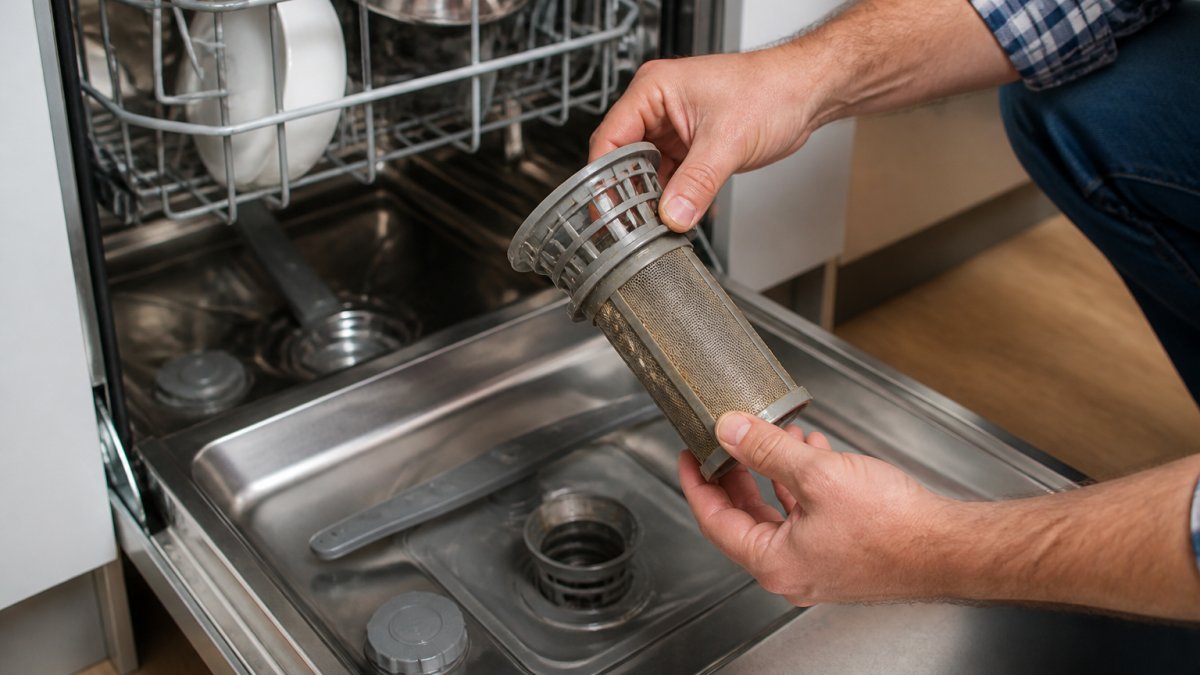
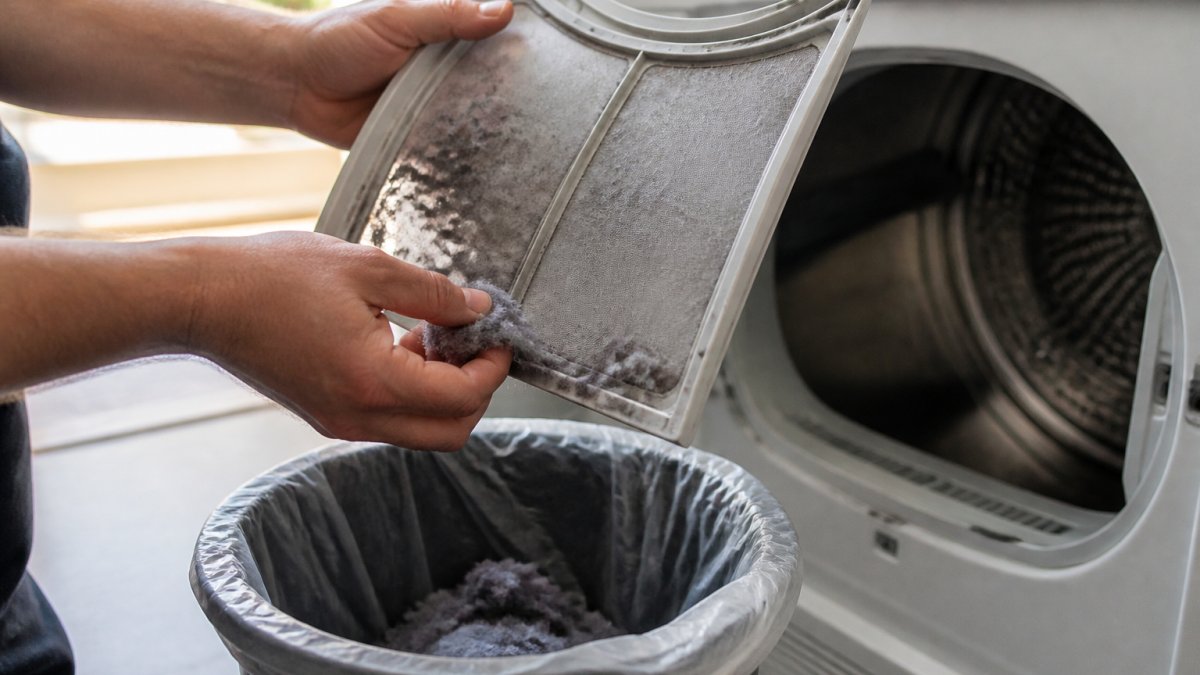
- Clean the lint screen. Remove lint by hand and rinse the screen with water every few weeks to clear fabric-softener residue that can glaze the mesh and restrict airflow.
- Check the load before drying. Remove items with loose buttons, coins, or debris that can damage the drum or lodge in the blower.
Monthly
- Inspect the lint screen for tears or gaps. A damaged screen lets lint bypass the filter and accumulate in the duct and blower housing.
- Wipe the moisture sensor bars inside the drum with a soft cloth and a little rubbing alcohol. Fabric-softener film on the sensors causes premature shutoff and over-drying.
- Vacuum around the dryer's exterior and the floor beneath it to prevent dust from being drawn into the intake.
Every three to six months
- Disconnect and inspect the vent duct for kinks, crushing, or sagging. Flexible foil or plastic duct is prone to trapping lint and should be replaced with rigid or semi-rigid metal duct where possible.
- Check the exterior vent hood. Confirm the damper opens freely and that no lint, bird nests, or debris block the flap.
- Test the vent airflow with the dryer running on air-only or low heat: hold a piece of paper near the exterior hood and confirm it is pushed away by strong airflow. Weak airflow signals a restriction.
Annually
- Have the vent professionally cleaned, especially if drying times are increasing or the duct run is long or has multiple elbows.
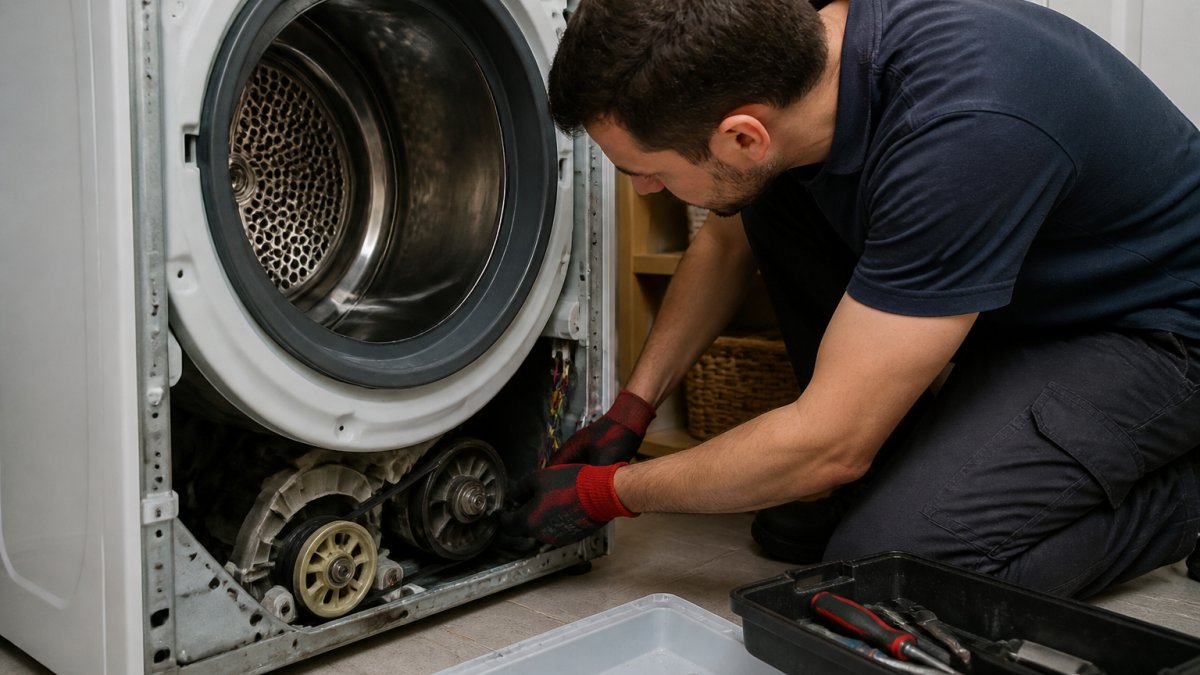
- Inspect the drum belt, rollers, and idler pulley for wear. Squeaking or thumping often traces to worn rollers or a glazed belt.
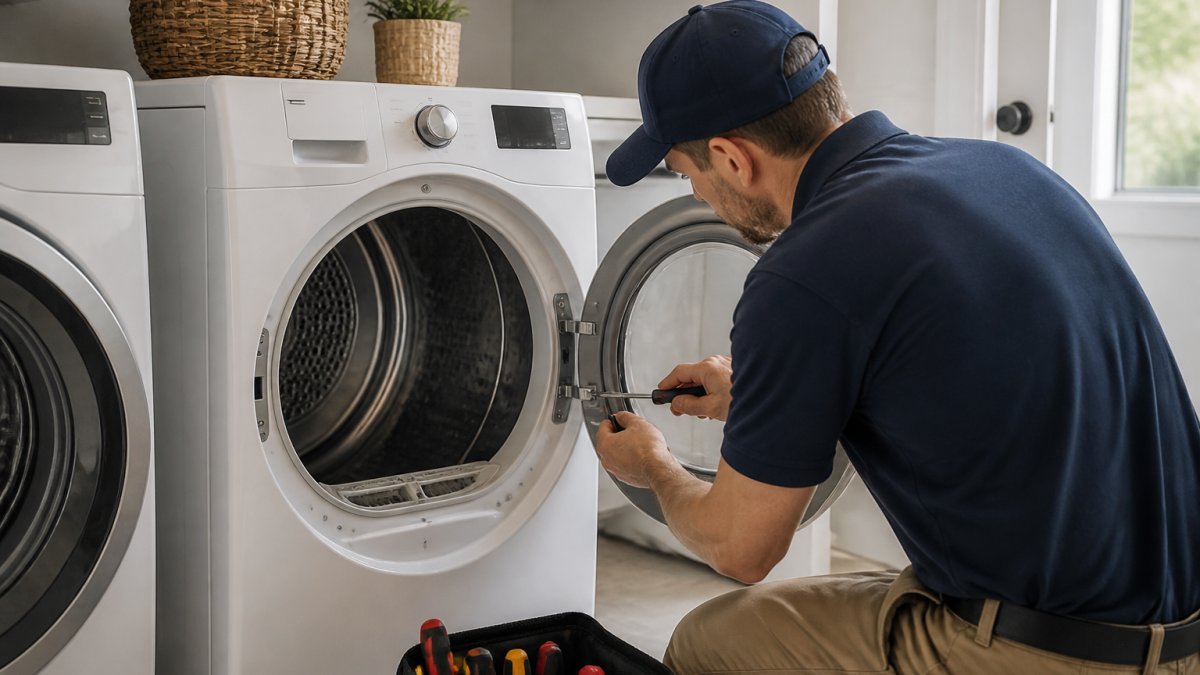
- Check the door gasket and latch. A loose door lets heat escape and forces longer cycles.
- Confirm the thermal fuse and high-limit thermostat are functioning. These safety components prevent overheating and are not user-serviceable on most models, so a technician should verify them.
Safety Risks That Require Immediate Action
Some warning signs are not maintenance items, they are reasons to stop using the dryer until a professional inspects it.
A blocked dryer vent is a leading contributor to residential dryer fires. The U.S. Fire Administration and the National Fire Protection Association both emphasize lint buildup and restricted airflow as primary hazards, which is why vent cleaning and airflow checks belong on a schedule rather than on a to-do list you get to eventually.
Routine Inspection and Care
Check the drum seal and rollers periodically. If you hear squeaking, grinding, or notice the drum not turning smoothly, these components may be wearing out. Early detection allows you to replace them before they damage the drum itself.
Inspect the door latch and gasket for wear. A loose door lets heat escape and forces the dryer to work longer. Keep the exterior clean and ensure nothing blocks the intake vents. Dust buildup around the unit restricts airflow and forces the motor to compensate.
Signs a Dryer Needs to Be Replaced
Recognizing warning signs helps you decide whether to repair or replace before the unit fails completely.
Performance and Safety Red Flags
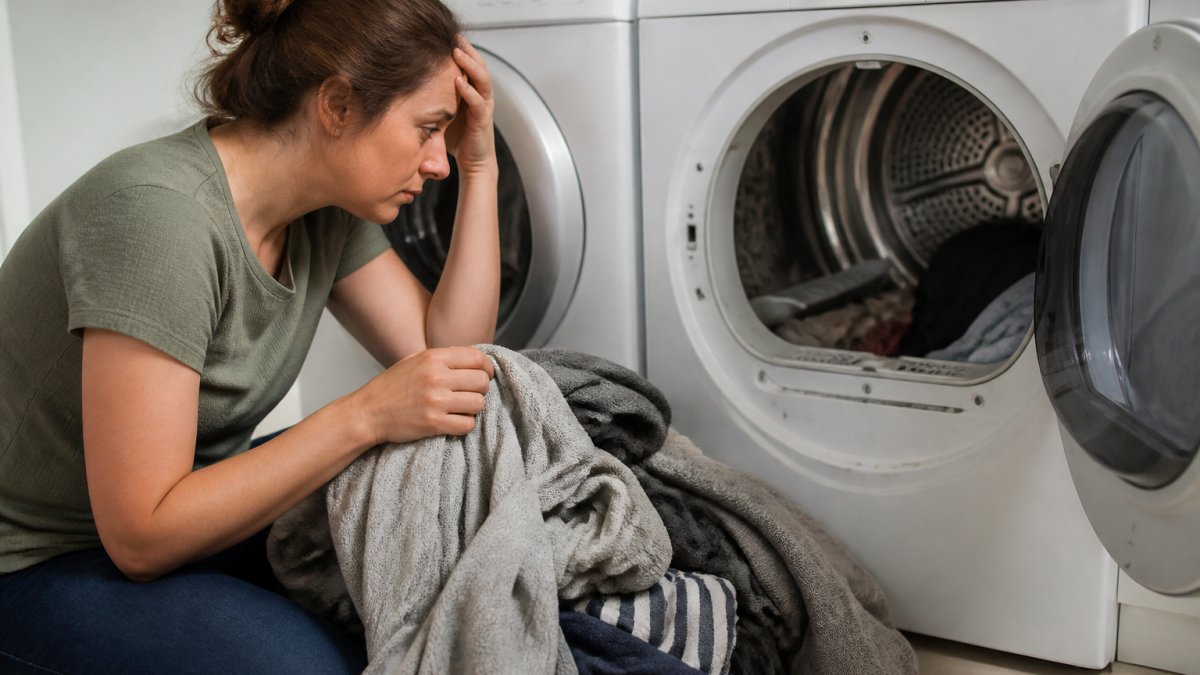
If drying times have doubled and your lint screen is clean, the heating element or motor is likely failing. This signals the dryer is near the end of its useful life.
Unusual noises, grinding, squealing, or thumping, indicate worn drum rollers, belt damage, or motor problems. These repairs are possible but expensive on older units.
Visible rust inside the drum, a burning smell during operation, or the dryer shutting off mid-cycle are safety concerns. These warrant immediate professional inspection and likely replacement.
A dryer that won't start despite proper power and settings probably has a failed thermal fuse or motor. If your unit is over 10 years old, replacement is usually more economical than repair.
Dryer Repair or Replace: Making the Right Decision
This decision hinges on more than a single rule of thumb. A practical framework weighs the repair cost against the dryer's age, its remaining expected lifespan, its condition, and its energy use. Use the steps below to reach a defensible answer instead of guessing.
Step 1: Get a Written Diagnosis and Repair Quote
Ask a technician for the failed component, the repair cost, and any secondary issues they observed. A diagnosis that identifies only the symptom ("won't heat") is less useful than one that names the likely cause (heating element, thermal fuse, gas valve, or control board). Get the quote in writing so you can compare it against replacement cost.
Step 2: Apply the Age-and-Lifespan Test
Estimate how much useful life remains. If the dryer is 10 to 13 years old, it is already at or near the typical end of its service life, and a major repair is a bet that other components hold up. If it is 5 to 7 years old, a repair often buys several more years and is usually the better value.
A common pattern among appliance technicians: repairs on units past roughly two-thirds of their expected lifespan tend to be followed by another failure within a year or two. That does not make repair wrong, but it should factor into the math.
Step 3: Compare Repair Cost to Replacement Cost
Many common dryer repairs, such as a heating element, thermal fuse, drum belt, or rollers, fall in the low hundreds of dollars, while a control board or gas valve repair can run higher. Compare the quote to the price of a comparable new dryer, not to the price of a premium model.
A useful threshold: if the repair costs more than half the price of a comparable new unit, and the dryer is already past the midpoint of its expected lifespan, replacement usually wins. If the repair is a small fraction of replacement cost and the unit is relatively young, repair is the sensible choice.
Step 4: Weigh Condition and Secondary Risk
Look beyond the failed part. Rust inside the drum, a sagging door, a noisy drum bearing, or a history of repeated repairs all signal that the unit is near the end. A dryer that has needed three repairs in two years is telling you something a single quote will not.
Step 5: Factor In Energy Use and Warranty
Older dryers are generally less efficient than current models, and a failing unit often runs longer cycles, which raises utility bills before it finally quits. A new dryer typically includes a one-year full warranty and longer parts coverage on major components, which offsets part of the purchase price with reduced risk.
Check whether any warranty remains on the current unit. If coverage is expired, every future repair is out of pocket, which shifts the math toward replacement for older units.
A Quick Decision Summary
- Young dryer, minor repair: repair.
- Mid-life dryer, repair well under half of replacement cost: repair.
- Older dryer, repair over half of replacement cost: replace.
- Any age, repeated failures or safety issues such as burning smells or repeated shutdowns: replace rather than repair.
When in doubt, get a second opinion on the diagnosis before committing. The cost of a second service call is small compared with replacing a dryer that had years of life left, or repairing one that was about to fail again.
How to Make a Dryer Last Longer
Beyond basic maintenance, several practices extend dryer lifespan significantly.
Use moisture-sensor drying cycles whenever possible. These shut off automatically when clothes reach the target dryness level, preventing unnecessary heat exposure. Manual timed cycles often over-dry clothes and waste energy.
Sort loads by fabric type and weight. Drying heavy towels with lightweight shirts forces the dryer to run longer to dry everything evenly. Separate loads reduce stress on the motor and heating element.
Avoid overloading. A full but not packed drum dries more efficiently than a stuffed one. The clothes need room to tumble freely for even drying and reduced wear.
Allow the dryer to cool between loads. Running it continuously without breaks accelerates component wear. A 10-minute cooldown between cycles helps extend lifespan.
Schedule annual professional maintenance. A technician can inspect components you can't see, clean internal vents, and catch problems early. This preventive approach often adds 2-3 years to appliance life.
Understanding the average lifespan of a modern dryer helps you plan maintenance and replacement strategically. Most units last 10-13 years with proper care, but many fail earlier due to neglect or overuse. When your dryer shows signs of wear, increased drying times, unusual noises, or safety concerns, professional diagnosis determines whether repair or replacement makes sense. At The Appliance Wizard, our factory-trained technicians provide honest assessments and can help you decide the best path forward. Whether you need parts for maintenance, repair service, or a replacement dryer, we're here to keep your laundry running smoothly. Visit us online at www.theappliancewizard.com or stop by our showroom to explore quality dryers backed by expert support and financing options.
Frequently Asked Questions
How many years does a modern dryer usually last?
Most modern dryers last between 10 and 13 years with proper maintenance. Some high-end models may reach 15 years, while budget units might fail sooner. The exact lifespan depends on usage frequency, dryer type (electric or gas), maintenance habits, and manufacturer quality. Regular cleaning of the lint screen and vent system significantly extends performance and safety.
Do electric and gas dryers have different lifespans?
Electric dryers and gas dryers typically have similar average lifespans of 10-13 years. However, gas dryers may experience more wear on the heating element and ignition system, while electric dryers face more stress on the thermal fuse and heating coil. Both types benefit equally from routine maintenance, lint removal, and proper airflow management to reach their full life expectancy.
What are the signs that a dryer needs to be replaced?
Replace your dryer if you notice unusual noise (squeaking or grinding), clothes taking longer to dry, a burning smell, excessive heat, or visible rust inside the drum. If your dryer is over 10 years old and repair costs exceed 50% of a new unit's price, replacement is usually more cost-effective. Safety hazards like thermal fuse failure or lint buildup that won't clear are urgent reasons to replace immediately.
How can I make my dryer last longer?
Clean the lint screen after every load and inspect the vent system quarterly for blockages. Avoid overloading the drum, use appropriate heat settings for fabric type, and ensure proper airflow around the unit. Have the dryer professionally serviced every 2-3 years to check the drum belt, rollers, and heating element. These maintenance habits prevent premature wear and help your dryer reach or exceed its expected 10-13 year lifespan.