 how-to
How to Avoid Voiding Appliance Warranty: 2026 Guide
Table of Contents
- What Actually Voids an Appliance Warranty
- Why Professional Installation Protects Your Coverage
- DIY Appliance Repair Warranty Implications: What You Need to Know
- How the Magnuson-Moss Warranty Act Appliance Repair Protections Work
- How to Document Appliance Maintenance for Warranty Claims
- Maintenance Tasks That Keep Your Warranty Active
- Using OEM Parts and Authorized Service Technicians
- Cleaning Mistakes and Improper Usage That Damage Components
- Smart Appliance Software Updates and Warranty Coverage
- Warranty Transferability and Product Registration
- Frequently Asked Questions
Last Updated: September 15, 2026
What Actually Voids an Appliance Warranty
Learning how to avoid voiding appliance warranty coverage starts with understanding what the manufacturer is actually protecting against, and how to avoid voiding appliance warranty terms in daily use. A manufacturer warranty is a written promise to repair or replace defective parts within a set period, and it stays valid only as long as you follow the terms printed in your user manual. Break those terms, and the manufacturer can legally deny a claim even on a product that failed through no fault of your own.
Here's the part that trips people up: most voided warranties aren't voided by dramatic mistakes. They're voided by small, ordinary choices made in the first few weeks of ownership.
The Three Obvious Warranty Killers
Three actions show up again and again in claim denials:
- Unauthorized modification. Cutting, rewiring, or bypassing factory components gives the manufacturer an easy out.
- Improper installation. A dishwasher plumbed without the required air gap, or a dryer vented with the wrong duct material, can void coverage on the spot.
- Physical or accidental damage. Dropping a refrigerator during a move or cracking a cooktop falls outside warranty coverage entirely.
Lesser-Known Actions That Trigger Claim Denial
The quieter risks matter just as much. Skipping product registration, losing your proof of purchase, or ignoring a required filter replacement schedule all give a service center grounds to question your claim. So does using a non-authorized service technician for an in-warranty repair, even when the repair itself was done correctly.
Why Professional Installation Protects Your Coverage
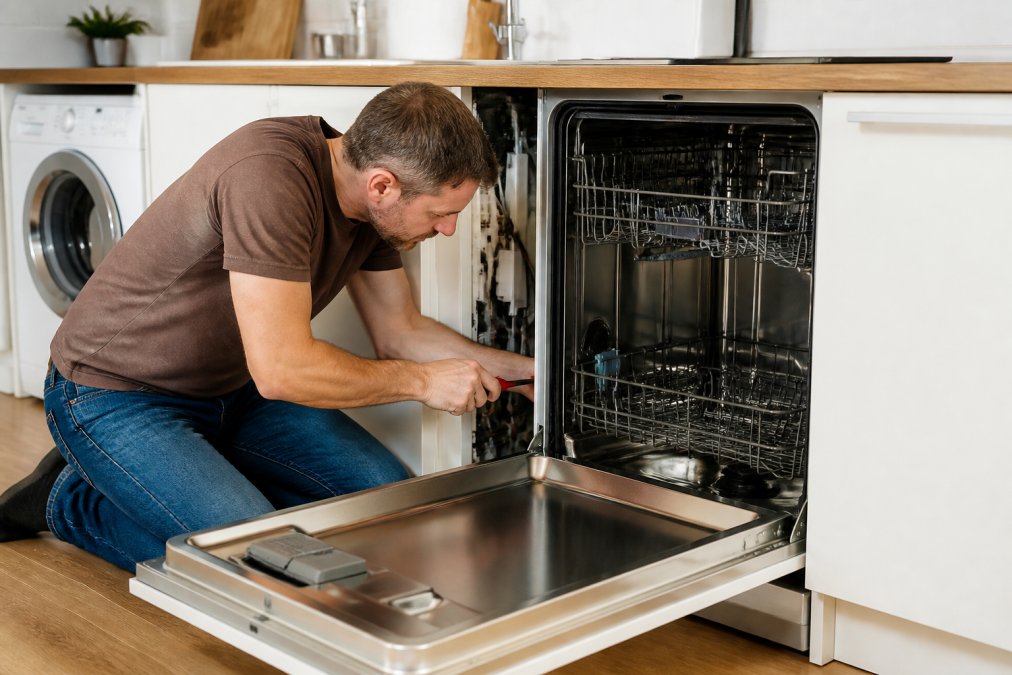
Professional installation is the single most reliable way to keep a manufacturer warranty intact, because it puts the installation itself in writing. Most manufacturers require installation to follow published guidelines, and a licensed contractor or factory-trained installer documents that the work met spec.
The stakes are highest on appliances that touch water, gas, or venting. Dishwashers need correct drain loops. Gas ranges need proper connection and leak testing. Dryers need venting that meets the manufacturer's venting requirements for length and material. Get any of these wrong and you've created exactly the condition a claim denial is built on.
There's a second benefit that rarely gets mentioned: a professional installation record is dated evidence. If a component fails two years later, that paperwork proves the unit was set up correctly from day one.
At The Appliance Wizard, our factory-trained technicians handle installation, which takes the guesswork out of proving your setup followed the manual.
DIY Appliance Repair Warranty Implications: What You Need to Know
DIY appliance repair warranty implications are more limited than most homeowners assume, and more serious than most DIYers expect. Under federal law, a warranty cannot be voided simply because you performed your own repair. What voids coverage is damage caused by that repair, or work on a component the manufacturer has restricted to authorized technicians.
When DIY Is Safe vs. When It Voids Coverage
Safe DIY tasks generally involve user-serviceable parts listed in your manual:
- Replacing a water filter or refrigerator air filter
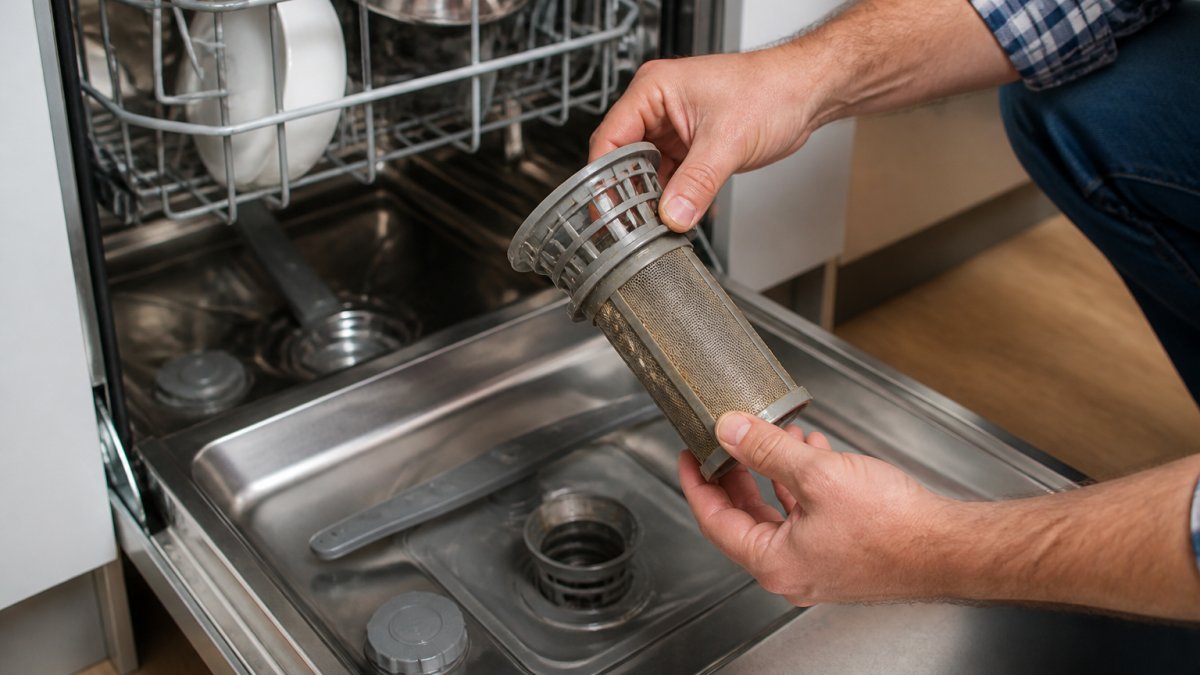
- Cleaning condenser coils and dryer lint traps
- Swapping an oven light bulb or a burner knob
- Resetting a tripped breaker or GFCI outlet
Leave these to a professional:
- Any sealed refrigeration system work
- Gas valve or gas line service
- Control board and wiring harness replacement
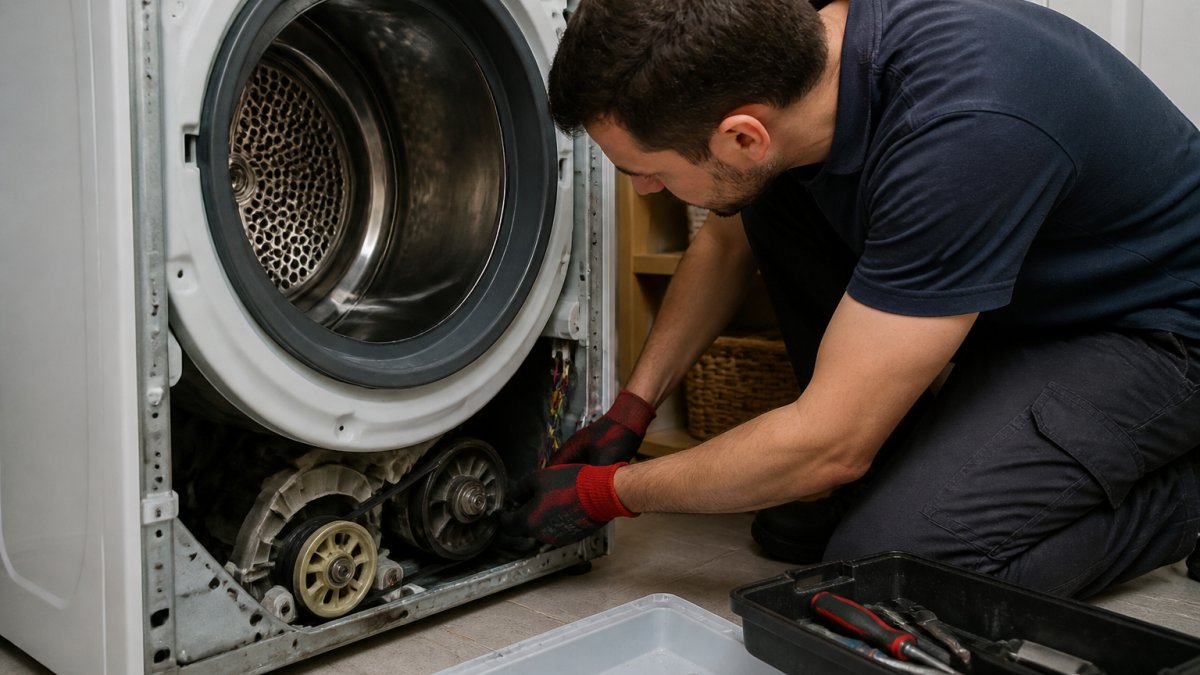
- Anything requiring the unit to be opened beyond a user-access panel
A common mistake is assuming that because a repair succeeded, the warranty is fine. It isn't about the outcome; it's about whether your work caused or contributed to the failure being claimed.
Federal Trade Commission guidance on warranty rights
How the Magnuson-Moss Warranty Act Appliance Repair Protections Work
The Magnuson-Moss Warranty Act appliance repair protections exist to stop manufacturers from voiding coverage just because you used someone other than their dealer. Passed in 1975, the law says a warrantor cannot condition coverage on the use of branded parts or authorized service unless the manufacturer provides those parts or services free of charge (the FTC).
That's a meaningful protection. It means a "warranty void if serviced elsewhere" sticker is largely unenforceable on its own.
The law has limits, though. It does not protect damage caused by a bad repair, and it does not override restrictions on safety-critical or sealed components. If a technician installs a non-OEM part and that part fails, the manufacturer can deny the claim on the failed part without violating the Act.
How to Document Appliance Maintenance for Warranty Claims
Documenting appliance maintenance means creating a dated record of every service task, repair, and parts replacement on a given unit. When a claim is filed, the manufacturer's service center will ask for proof that required maintenance happened on schedule. Without it, they can deny the claim on the grounds of neglect.

Digital Record-Keeping Systems That Work
Paper folders work, but they get lost. A simple digital system holds up better under scrutiny:
- Photograph the serial plate and the original receipt on day one
- Store everything in one cloud folder, named by appliance and purchase date
- Log each service call with the date, technician name, and work performed
- Set calendar reminders for filter replacement and annual service
- Keep PDF copies of any warranty extension or protection plan paperwork
What most guides miss is that the serial number is the anchor. Every service record should reference it, because that's how the manufacturer matches your claim to the unit.
Maintenance Tasks That Keep Your Warranty Active
Preventative maintenance is a warranty condition, not just good practice. Manufacturers spell out required service intervals in the user manual, and skipping them is one of the most common reasons a claim gets denied. The legal hook is the word "required": under the Magnuson-Moss Warranty Act, a warrantor that writes a maintenance schedule into the terms can treat a skipped interval as a breach of those terms, but only if the schedule is reasonable and stated in the warranty document itself, not invented after the fact.
That distinction matters. A manufacturer cannot deny a claim for a task the manual never mentioned, or for a task it added to a later revision of the manual after you bought the unit. Pull the maintenance page from the manual that shipped with your appliance, not the version currently posted online, and treat that as the controlling list.
The tasks that matter most, and what each one actually protects:
| Task | Typical Interval | Component It Protects | What Neglect Looks Like at Claim Time |
|---|---|---|---|
| Clean condenser coils | Every 6-12 months | Compressor, condenser fan | High head pressure, short compressor life; service center cites airflow restriction |
| Replace water filters | As specified in manual | Water inlet valve, dispenser | Restricted flow, valve strain; denied as a consumable-maintenance failure |
| Clear dryer venting | Every 6-12 months | Blower, motor, thermal fuse | Lint buildup, overheating; often excluded as a fire-safety condition |
| Run a dishwasher cleaning cycle | Monthly | Pump, door seal, sump | Mineral scale, seal degradation; treated as customer-caused wear |
| Inspect door gaskets | Every 3 months | Door seal, compressor load | Air leaks, frost buildup; argued as abuse rather than defect |
| Vacuum refrigerator toe grille | Every 6 months | Condenser airflow | Same failure mode as dirty coils, often cited separately |
| Check washing machine hoses | Annually | Inlet hoses, flood risk | Burst hose damage is almost always excluded as owner responsibility |
A service schedule kept consistently is also documented evidence. If a compressor fails at year four, a log showing regular coil cleaning makes it much harder for the manufacturer to argue neglect. The reverse is also true: a missing log gives the service center a ready-made denial that has nothing to do with whether the part was actually defective.
What Counts as Proof of Maintenance
A manufacturer does not need a notarized record. What it needs is a dated trail that ties a task to the unit. That means:
- The date the task was performed
- The serial number of the appliance
- Who performed it (you, or a technician with a name and license number)
- What was done and what parts, if any, were used
- A receipt or invoice if a part was purchased
A photo of the cleaned coil area with a timestamp, saved alongside the serial plate image, is enough for most service centers. What fails is a verbal claim that "I clean it every year" with nothing to back it up.
The Interval Trap
One pattern that catches owners is treating "every 6-12 months" as "every 12 months, eventually." If a failure occurs at month 14 and the manual called for service at month 6, the service center can point to the gap. Set calendar reminders at the short end of the range, not the long end, and log the task the day you do it, not the day you remember to.
If you move, the maintenance log moves with the appliance. A unit that was serviced on schedule in one home and then sits unlogged for two years in another is a unit with a two-year documentation gap, and that gap is what a denial gets built on.
Using OEM Parts and Authorized Service Technicians
OEM components are parts manufactured or approved by the appliance's original maker. They fit correctly, meet the original technical specifications, and don't give the manufacturer a reason to question a claim. That is the conventional advice, and it is only half the story.
The other half is a federal rule most warranty guides skip entirely. Under the Magnuson-Moss Warranty Act, a manufacturer generally cannot condition warranty coverage on your use of its branded parts or its authorized service network, unless it provides those parts or that service free of charge. This is what consumer-law practitioners call a "tying arrangement," and the FTC has treated it as an unfair warranty practice for decades. A sticker that reads "warranty void if serviced elsewhere" is, on its own, largely unenforceable.
That does not mean any part and any technician are fine. It means the manufacturer has to point to actual damage, not to the mere fact that you went outside its network.
What the Rule Does and Does Not Cover
| Situation | Warranty Outcome |
|---|---|
| You use a non-OEM part and it fails | Manufacturer can deny the claim on that part |
| You use a non-OEM part and an unrelated component fails | Manufacturer generally cannot deny on the unrelated failure |
| You use an independent technician who does the job correctly | Coverage generally stays intact |
| You use an independent technician whose work causes damage | Manufacturer can deny the claim tied to that damage |
| The part is safety-critical or in a sealed system | Manufacturer restrictions are more likely to hold |
| The manufacturer provides the part or service free of charge | It can require you to use it |
Why Authorized Technicians Still Make Sense
Even with the legal protection, there are practical reasons to use authorized service during the warranty period:
- Claim filing. Authorized technicians file warranty claims directly with the manufacturer, which removes a step you would otherwise have to manage.
- Diagnostic access. Some manufacturers gate error codes, service bulletins, and calibration software to their network. An independent tech may have to guess where an authorized one can read the fault.
- Parts availability. Sealed-system and control-board parts are often restricted to authorized channels, which means an independent repair may not be possible even when it is legal.
- Documentation. Authorized work is logged in the manufacturer's system under your serial number, which is the cleanest possible evidence if a related failure shows up later.
How to Protect Yourself When You Go Outside the Network
If you choose an independent technician or install a non-OEM part, do three things:
- Keep the invoice with the technician's name, license number, date, and the exact part number used.
- Photograph the part and the packaging before installation.
- Note in your maintenance log whether the replaced component is related to any later failure you claim.
That record is what lets you argue, if it comes to it, that the failure you are claiming is not the failure your repair touched. Without it, you are relying on the manufacturer's records alone.
FTC guidance on warranty tying arrangements and consumer rights
Where the Rule Stops
Two limits are worth knowing. First, the Act applies to written warranties on consumer products, not to service contracts or extended protection plans, which are governed by their own terms. Second, safety-critical systems, gas valves, sealed refrigeration circuits, certain high-voltage components, are areas where manufacturers have stronger grounds to restrict who works on them, and where an unauthorized repair is more likely to be treated as a coverage-ending event regardless of the tying rule.
The practical takeaway is not "ignore the manufacturer's network." It is that you have a legal right to choose, and the way to keep that right useful is to document every repair so the manufacturer has to argue about the work, not about who did it.
Cleaning Mistakes and Improper Usage That Damage Components
Cleaning agents and improper usage cause damage that looks like a defect but isn't covered. Abrasive powders scratch glass cooktops and strip oven liners. Corrosive chemicals eat through control panel finishes and rubber seals. Spraying cleaner directly onto a control panel can push liquid into the electronics.
Improper usage is the other half of this. Overloading a washer beyond its rated capacity wears out the suspension and bearings. Running a self-clean cycle on a range with a poorly ventilated cabinet can overheat surrounding components. Using a dryer without a lint filter traps heat and shortens motor life.
Manufacturers treat all of this as customer-caused damage. There's no warranty claim to file, and the repair comes out of your pocket. Read the cleaning section of your manual once, and you'll avoid the majority of these failures.
Smart Appliance Software Updates and Warranty Coverage
Smart appliance software updates sit in a gray area that most warranty guides skip entirely. Manufacturers generally require that connected appliances run current firmware, and they may push updates automatically over Wi-Fi.
Ignoring those updates can create problems. A skipped update can leave a control board out of sync with a replacement part, which turns a simple repair into a diagnostic mess. In some cases, a technician can't complete a warranty repair until the firmware is current.
The practical move is simple: let the appliance connect, accept the updates, and don't jailbreak or sideload anything onto the system. Unauthorized software modification is treated the same as unauthorized hardware modification, and it can void coverage on the affected board.
If you buy a smart appliance from The Appliance Wizard, our team handles the setup and confirms the unit connects properly, so the update path works from day one.
Warranty Transferability and Product Registration
Product registration is the step almost everyone skips, and it's the one that makes everything else easier. Registering your appliance links the serial number to your name, your purchase date, and your proof of purchase, which is exactly what a service center needs to open a claim.
Registration also matters for warranty transferability. Some manufacturers allow the remaining warranty to transfer to a new owner if the appliance is sold with the home, but only when the unit was registered in the first place. An unregistered appliance usually transfers with no coverage at all.
Do this in the first week after delivery:
- Find the model and serial plate, usually inside the door or on the back panel.
- Register online through the manufacturer's site, or mail the card in the box.
Frequently Asked Questions
What voids an appliance warranty?
Common warranty voiders include unauthorized DIY repairs, using non-OEM replacement parts, improper installation that ignores manufacturer guidelines, physical damage from accidents, and failing to perform required preventative maintenance. Cosmetic damage like scratches typically doesn't void coverage, but internal damage from misuse does. Always check your user manual for specific exclusions, and keep proof of purchase and service records to support any claim.
Does performing DIY repairs automatically void a manufacturer's warranty?
No, the Magnuson-Moss Warranty Act prevents manufacturers from voiding coverage simply because you attempted a repair. However, if your DIY work causes the component failure you're claiming, the manufacturer can deny that specific claim. For example, replacing a dishwasher heating element incorrectly and damaging the control board gives the manufacturer grounds to deny the control board claim. Document all work and use OEM components to protect yourself.
What is the Magnuson-Moss Warranty Act and how does it protect appliance owners?
The Magnuson-Moss Warranty Act is a federal law that governs consumer product warranties. It prohibits manufacturers from voiding your warranty just because you used third-party parts or performed your own repairs, unless they can prove the non-OEM part caused the failure. It also requires warranty terms to be clear and available before purchase. This law gives you the right to service your appliances without automatically losing coverage.
How do I document appliance maintenance to avoid warranty claim denial?
Keep a dedicated folder, physical or digital, with your receipt, product registration confirmation, and every service record. Log the date, technician name, work performed, and parts used for each maintenance visit. For DIY tasks like filter replacement, note the date and part number. Photograph receipts and store them in cloud backup. This documented evidence proves you followed the service schedule and used proper components, making claim denial much harder.