 how-to
How to Find Reliable Dishwasher Repair Near You
Table of Contents
- What to Expect From a Professional Dishwasher Repair Service Call
- Common Dishwasher Problems and Solutions
- Average Cost of Dishwasher Repair and What Affects Pricing
- When to Replace vs Repair Your Dishwasher
- How to Choose a Qualified Local Technician
- Maintenance Tips to Prevent Future Breakdowns
- Conclusion
- Frequently Asked Questions
Last Updated: September 3, 2026
What to Expect From a Professional Dishwasher Repair Service Call
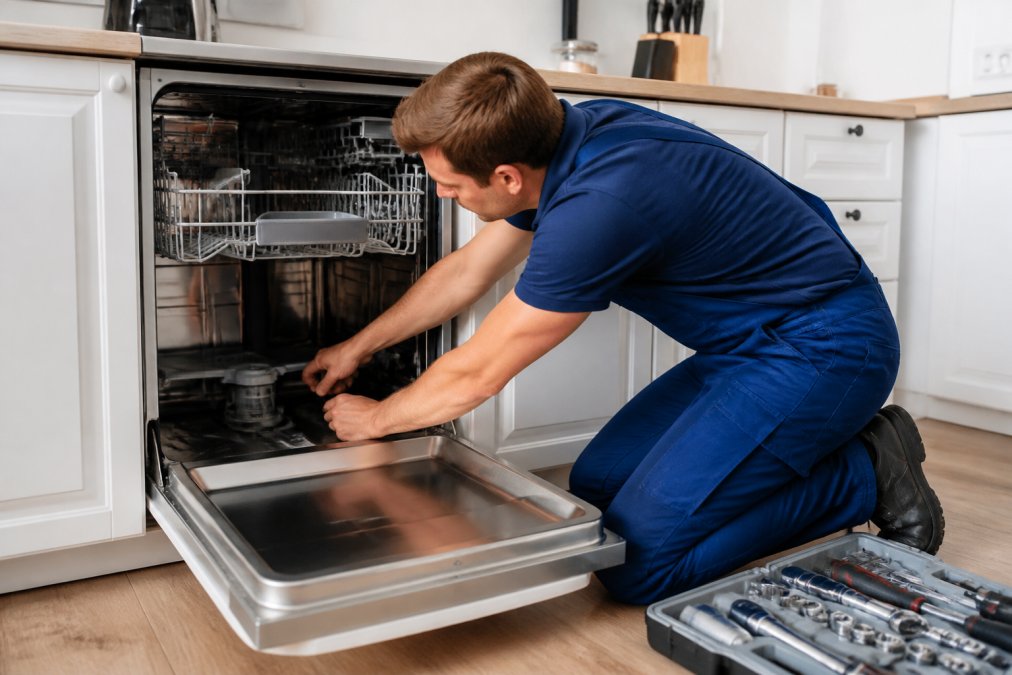
A factory-trained technician will arrive with diagnostic tools and parts inventory, typically completing assessment within 30-60 minutes (nate.org). They'll listen to your problem description, run a test cycle to identify the root cause, then explain what went wrong and provide transparent pricing before proceeding. Most reputable services offer labor warranties covering the same problem if it recurs within a set period.
When scheduling, ask about same-day or next-day availability. Many local technicians keep common parts in their vehicles, completing repairs on the first visit. The Appliance Wizard's repair team maintains genuine replacement parts for major brands, ensuring faster turnaround and better long-term performance than generic alternatives.
Common Dishwasher Problems and Solutions
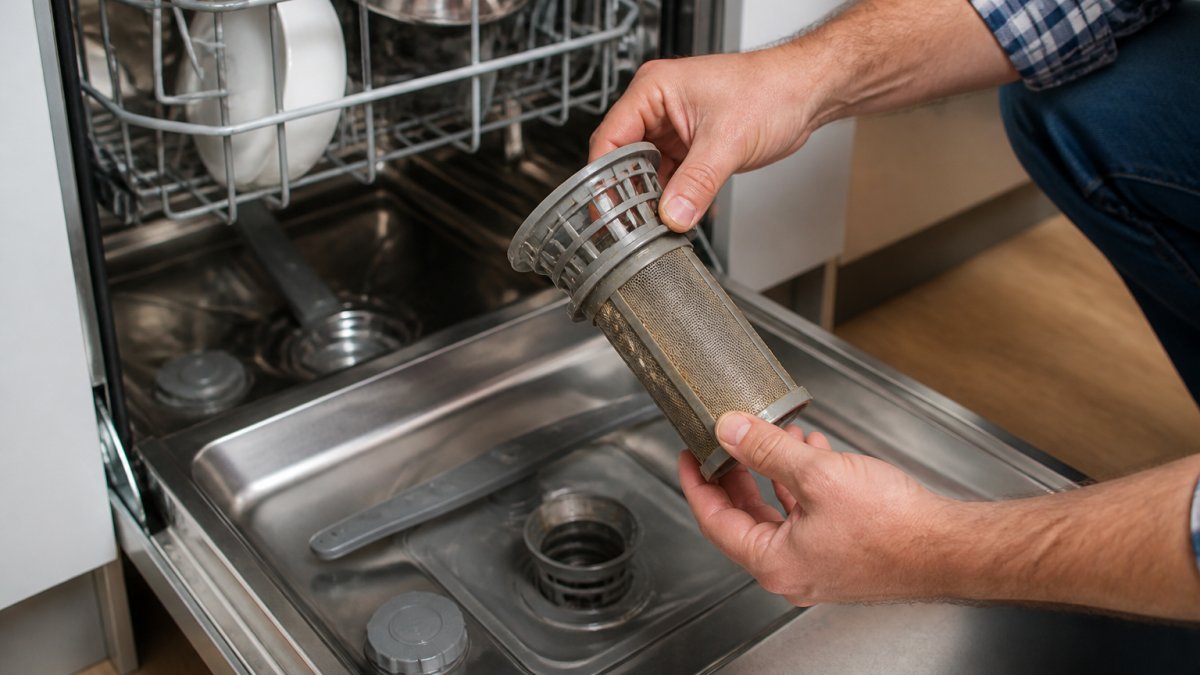
Water not draining properly usually stems from a clogged drain filter, kinked hose, or faulty pump. Clean the filter basket at the tub's bottom, check that the drain hose isn't bent, and ensure proper connection to your sink drain. If water still pools, the pump motor likely needs replacement by a qualified technician.
Dishes coming out dirty or spotted suggests inadequate water pressure, a malfunctioning spray arm, or a problem with the detergent dispenser. Low water pressure often indicates a clogged inlet valve. Mineral deposits in hard water cause spotting; using rinse aid helps significantly. If the spray arm doesn't rotate freely, food debris or mineral buildup is usually responsible.
Leaking water requires prompt attention. Leaks typically come from a worn door seal, cracked tub, or loose hose connections. A technician will inspect connection points first, as tightening a loose clamp often solves the problem immediately. Door seal replacement is inexpensive; a cracked tub usually signals that replacement is more cost-effective than repair.
Unusual noises, grinding, squealing, or rattling, indicate wear on internal components. A worn pump bearing produces grinding sounds; a worn spray arm bearing causes squealing. Rattling often means the wash arm has come loose or something is stuck between the tub and outer wall. Address these promptly to prevent secondary damage.
Average Cost of Dishwasher Repair and What Affects Pricing
Repair costs depend on the specific component needing repair, parts availability, labor rates, and location. Many local technicians charge a diagnostic fee upfront that gets credited toward the repair if you proceed. Parts costs vary dramatically, replacing a door latch costs far less than a pump motor or control board. Labor depends on repair complexity and technician experience.
When comparing quotes, ask for an itemized breakdown showing parts cost, labor, and any diagnostic fees. This transparency helps you compare providers fairly. Some technicians charge flat rates for common repairs; others charge hourly labor.
The Appliance Wizard provides upfront pricing with no hidden fees, so you'll know the total cost before work begins.
When to Replace vs Repair Your Dishwasher
If repair costs more than half the price of a new dishwasher, replacement often makes more financial sense. However, if your dishwasher is only a few years old and this is the first major repair, fixing it is usually the right choice.
Most dishwashers last 7-12 years (energy.gov). If yours is in the first half of that range and repair cost is reasonable, repair wins. If it's approaching or beyond 10 years and you're facing major component failure, replacement becomes more attractive.
Frequency of repairs matters too. If you've had the same dishwasher serviced three times in the past year, the next problem might push you toward replacement. If this is your first service call in five years, the appliance is proving reliable and worth repairing.
Older dishwashers use significantly more water and electricity than modern models (energystar.gov). If your unit is 10+ years old, a new ENERGY STAR-certified dishwasher could lower utility bills enough to offset replacement cost over several years.
When ready to replace, The Appliance Wizard carries new and refurbished dishwashers from major manufacturers and handles professional installation.
How to Choose a Qualified Local Technician
Look for technicians who are factory-trained and certified by major appliance manufacturers. Ask directly: "Are you factory-trained for [your dishwasher brand]?" A qualified technician will answer confidently.
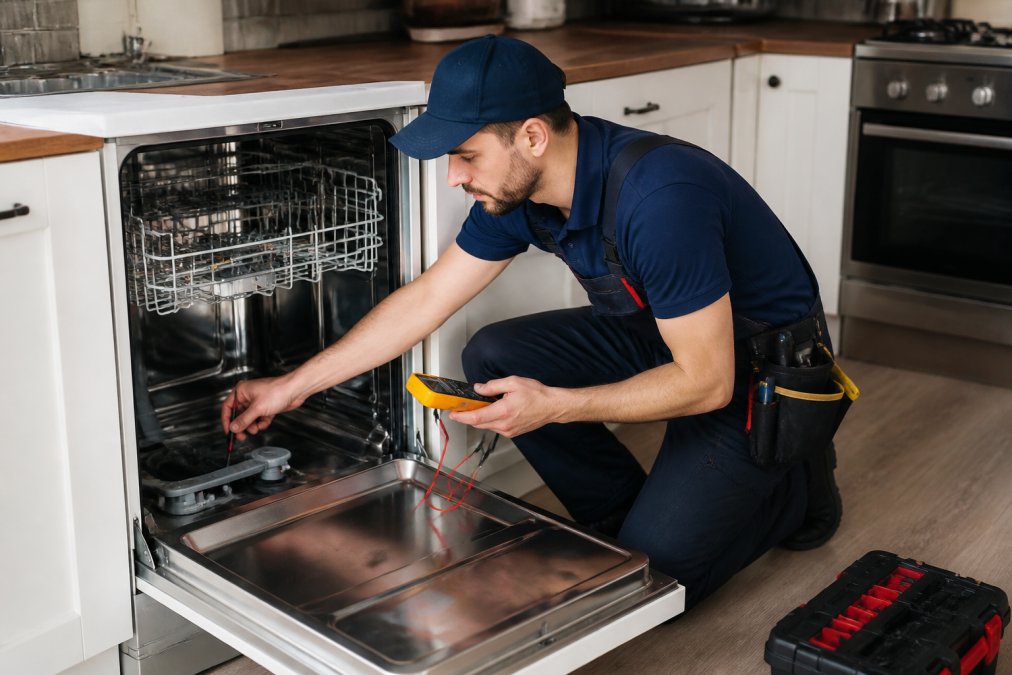
Verify that the technician is licensed and insured. Ask for proof before scheduling service. Insurance protects you if something goes wrong during repair.
Check customer reviews on multiple platforms, paying attention to reliability, punctuality, and whether repairs held up over time. Notice how the company responds to negative reviews, professional responses demonstrate commitment to customer satisfaction.
Ask about service guarantees. A technician confident in their work will warranty both parts and labor. The Appliance Wizard stands behind every repair with transparent warranties and no hidden loopholes.
Inquire about same-day or emergency service availability. Many technicians reserve same-day slots for emergencies, which costs more but saves you from days without a working dishwasher.
Compare service areas before calling. Some technicians cover wide radius; others work only within specific zones. Local providers like The Appliance Wizard maintain service areas allowing quick response times.
Maintenance Tips to Prevent Future Breakdowns
Clean the drain filter monthly. Remove the bottom rack and locate the cylindrical filter at the tub's bottom. Rinse it under running water to remove food debris and mineral deposits. This five-minute task prevents one of the most common repair calls.
Run a cleaning cycle monthly using a commercial dishwasher cleaner. These products dissolve mineral buildup inside spray arms and inlet valves. Hard water deposits accumulate over time and reduce cleaning performance.
Inspect the door seal quarterly. The rubber gasket can crack or warp, allowing water to leak. If the seal looks compromised, replacement is inexpensive and prevents water damage.
Keep the spray arms clear. Remove the lower spray arm and check the holes for debris or mineral deposits. Use a toothpick to clear blockages. Restricted spray holes reduce cleaning effectiveness and accelerate pump wear.
Use rinse aid in hard water areas. Mineral deposits cause spotting and buildup inside the appliance. Rinse aid prevents spotting and reduces mineral accumulation.
Load dishes correctly to protect internal components. Avoid placing large items where they block spray arms. Ensure nothing protrudes into the tub where it could catch on moving parts.
Conclusion
Finding reliable dishwasher repair means connecting with factory-trained technicians who stand behind their work and explain repairs transparently. The decision to repair or replace depends on your appliance's age, repair cost, and repair frequency. Regular maintenance, cleaning filters, using rinse aid, and running cleaning cycles, prevents most breakdowns.
When you need professional service, The Appliance Wizard's certified technicians provide timely, professional in-home repair, maintenance, and warranty support. Our team maintains genuine replacement parts for major brands, ensuring faster repairs and better reliability. Schedule your service appointment at www.theappliancewizard.com.
Frequently Asked Questions
How do I know if a technician is actually factory-trained?
Ask directly for certification documentation from the manufacturer. Factory-trained technicians complete formal training specific to particular brands and models. Reputable providers like The Appliance Wizard display their certifications. If a technician becomes evasive about credentials, that's a red flag.
What's the difference between a service call fee and a diagnostic fee?
A service call fee is a flat charge just to have a technician visit. A diagnostic fee covers the technician's time to identify what's wrong. Many providers credit the diagnostic fee toward the repair cost if you proceed.
Can I fix simple dishwasher problems myself?
Simple maintenance like cleaning the drain filter and clearing spray arm holes are safe DIY tasks. However, repairs involving electrical components, plumbing, or internal mechanical parts require professional expertise. Attempting complex repairs risks voiding your warranty.
How long does a typical dishwasher repair take?
Most repairs complete in 1-2 hours, including diagnosis and parts replacement. Simple fixes take 30 minutes; complex repairs involving component replacement may take longer.
Should I replace my dishwasher if it's 10 years old?
Not necessarily. If repair cost is reasonable and the appliance has served you well, repair is still viable. However, if it's approaching 12 years old, requiring frequent repairs, or if energy savings justify replacement, consider replacing. Consider total cost of ownership, not just immediate repair expense.
What warranty should I expect on repairs?
Standard practice includes a labor warranty (typically 30-90 days) and a parts warranty (often 1-2 years). The labor warranty covers the technician's work; the parts warranty covers replacement components. Ask for both warranties in writing. The Appliance Wizard provides transparent warranties with no hidden conditions.
Is it worth paying more for a factory-trained technician?
Yes. Factory-trained technicians complete formal training specific to your brand and often diagnose problems faster. They understand manufacturer specifications and use proper parts, resulting in more reliable repairs. While hourly rates may be higher, faster diagnosis and better outcomes often save money overall.
How can I prevent future dishwasher problems?
Clean the drain filter monthly, run a cleaning cycle monthly, use rinse aid in hard water areas, inspect the door seal quarterly, and ensure spray arms rotate freely. These maintenance habits take minimal time but prevent most common problems.
Frequently Asked Questions
What is the typical cost to repair a dishwasher?
Dishwasher repair costs depend on the problem, parts needed, and your location. A service call typically includes a diagnostic fee, and labor charges vary based on repair complexity. Parts replacement adds to the total. Contact The Appliance Wizard for a transparent quote, we provide upfront pricing with no hidden fees so you know exactly what to expect.
What is the most common failure on a dishwasher?
Pump and motor failures are among the most common issues, along with spray arm blockages and control board malfunctions. Many problems start with drainage issues or water not reaching the spray arms properly. Regular maintenance and prompt attention to early warning signs like unusual noises or incomplete cycles can prevent major failures and extend your appliance's lifespan.
Is it ever worth it to repair a dishwasher?
Repair makes sense if your dishwasher is less than 7-8 years old and the repair cost is under 50% of a replacement unit's price. Newer models with minor issues almost always warrant repair. Older units with major component failures may cost more to repair than replace. Our technicians can assess your specific situation and help you decide what's best for your budget and needs.
What should I look for when hiring a local appliance technician?
Choose technicians who are factory-trained, licensed, and insured. Verify they work on your appliance brand and model. Ask about warranty coverage on parts and labor, response time availability, and whether they provide upfront pricing before starting work. Read customer reviews focusing on professionalism, punctuality, and transparency. The Appliance Wizard's certified technicians meet all these standards with timely, professional in-home repair, maintenance, and warranty support.